
Building a composite wing is like piecing together a high-tech puzzle! First, we pick the right core material—options include foam, honeycomb, or balsa wood. Next, we use advanced techniques like prepreg fabrication and vacuum bag consolidation for a solid structure. We must also consider structural integrity through load analysis and finite element methods. Finally, testing is essential for safety, pushing everything to its limits. Stick around, and we’ll explore each step in detail!
Key Takeaways
- Select appropriate core materials, such as foam or honeycomb, based on weight, strength, and application requirements.
- Utilize prepreg fabrication techniques and custom molds to ensure precise wing shapes and layers.
- Implement vacuum bag consolidation during curing to achieve uniform pressure and optimal bonding of materials.
- Conduct thorough load analysis and finite element simulations to ensure structural integrity under stress.
- Perform rigorous static and dynamic testing to verify safety and reliability before final assembly and integration.
Core Material Selection
When it comes to building a composite wing, choosing the right core material is like picking the right ingredients for a gourmet meal. We’ve got various core material types, each with unique performance attributes that make them stand out. Foam cores are light and easy to shape, while honeycomb cores deliver incredible stiffness-to-weight ratios.
You may be interested
How Do I Build A Diorama For My Model Aircraft?

How Do I Build A Long-Range RC Aircraft?
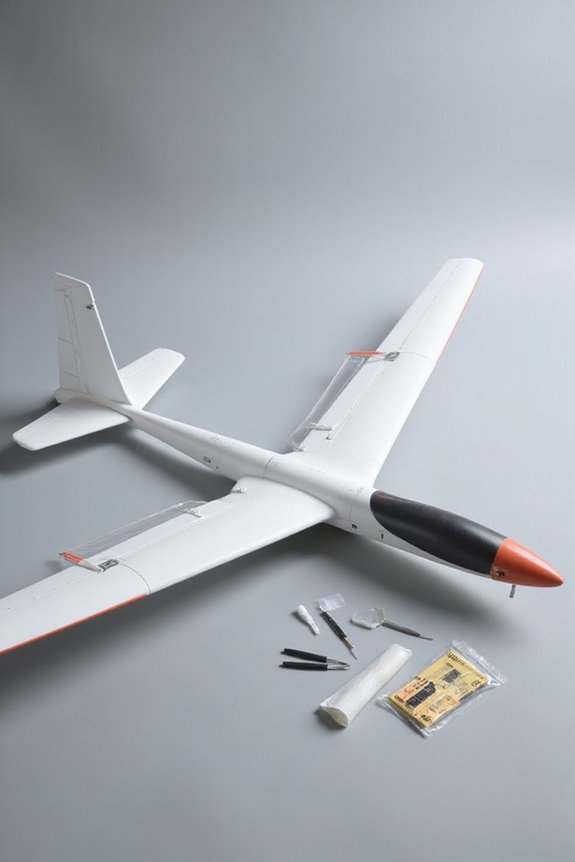
How Do I Build A Radio-Controlled Glider?
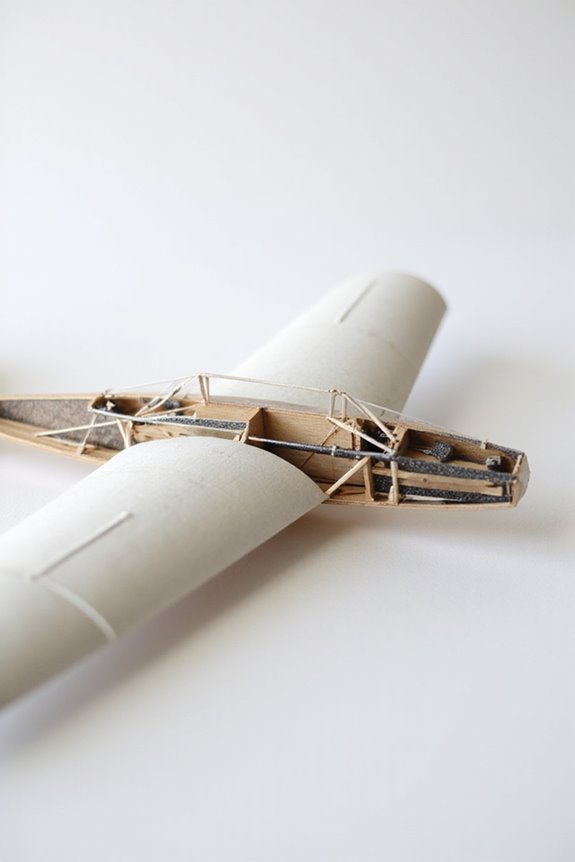
Balsa wood offers good compressive strength but can be a bit unpredictable, like that one friend who always changes plans.
Let’s not forget about Nomex honeycomb: it’s fire-resistant and fills the role perfectly in interior applications. Selecting the right core guarantees our wings are not just strong but also fuel-efficient. Additionally, understanding the complexity of kits can help builders choose the most suitable materials based on their skill levels. We can have our cake and eat it too!
Construction Techniques
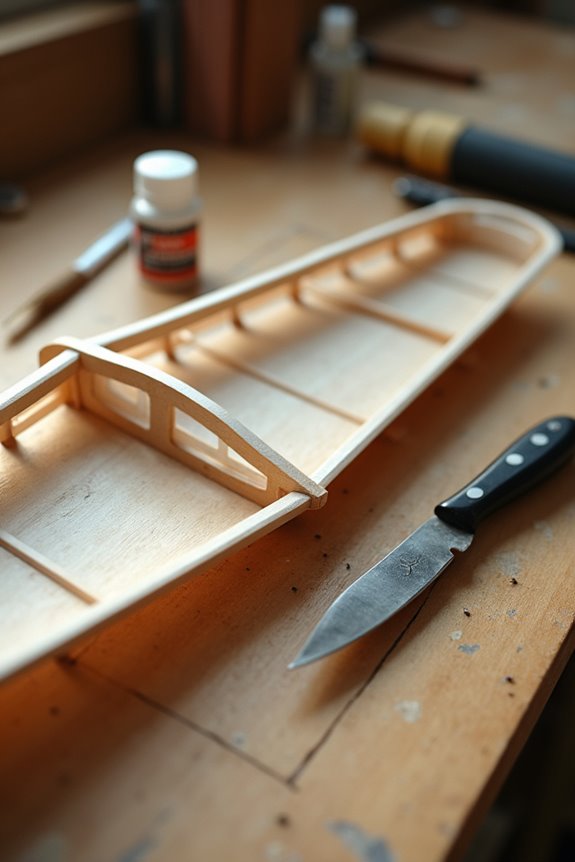
Building a composite wing is a blend of art and science, and the construction techniques we use are critical to its success. First, we start with prepreg fabrication, laying down resin-impregnated carbon fiber sheets on a cure table for precise layering.
Then, we turn to mold design, creating custom molds to give our wings the right shape. Think of these molds as a comfy new pair of shoes; they need to fit just right! After that, we use vacuum bag consolidation to guarantee uniform pressure during curing.
Finally, we assemble the wing’s frame by carefully positioning spars and ribs, followed by skin panel installation. It’s like putting together a giant, high-tech jigsaw puzzle, where every piece counts!
Recommended Products

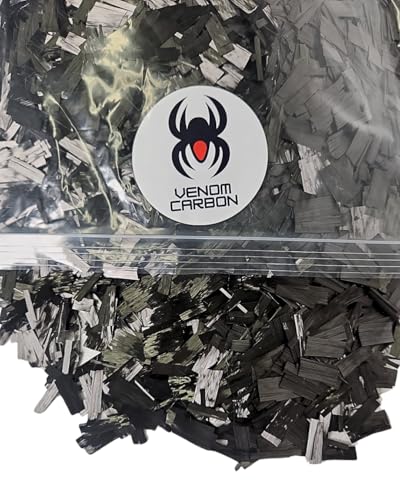
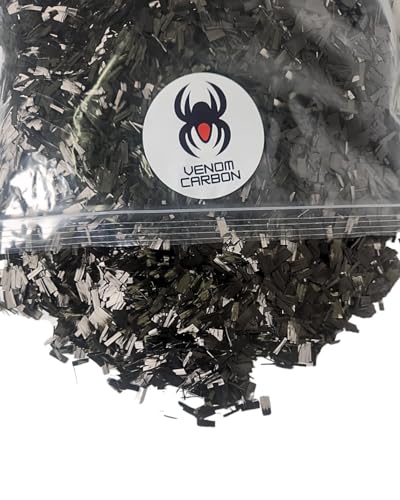
A thin, short, rectangular fiber cut from unidirectional carbon fiber commonly combined with resin to add strength and stiffness to parts.
Structural Integrity
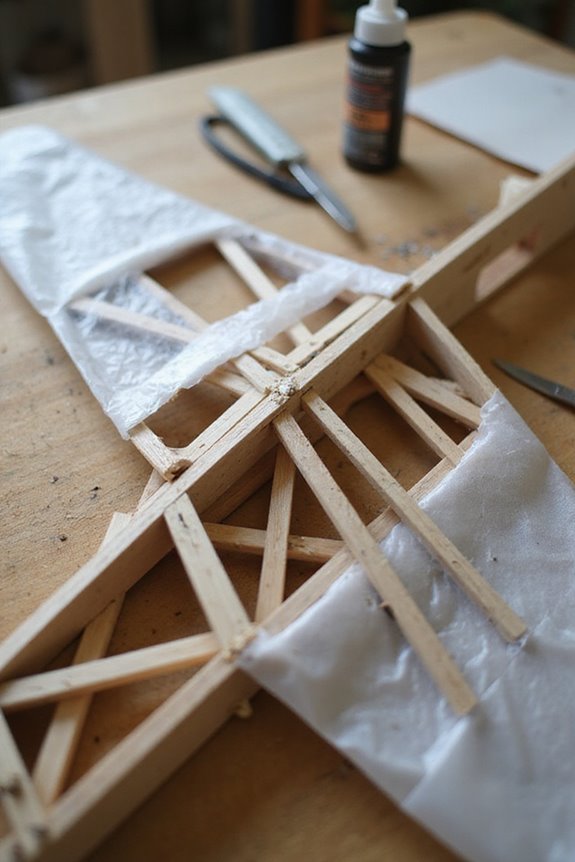
Understanding structural integrity is vital for anyone involved in the world of composite wings. We’ve got to guarantee our designs can handle the loads they’ll face in flight. Load analysis is essential here; it helps us understand the forces at play. With the right data, we can optimize our wing’s design, adjusting ply orientations and thickness for maximum strength without adding unnecessary weight.
Using finite element methods, we simulate how the wing behaves under stress. Buckling and laminate failure are real threats, so we assess these factors carefully. After all, we want our wings to soar, not flop! By prioritizing both material selection and design optimization, we can create wings that are not just strong, but also incredibly efficient.
Safety and Testing
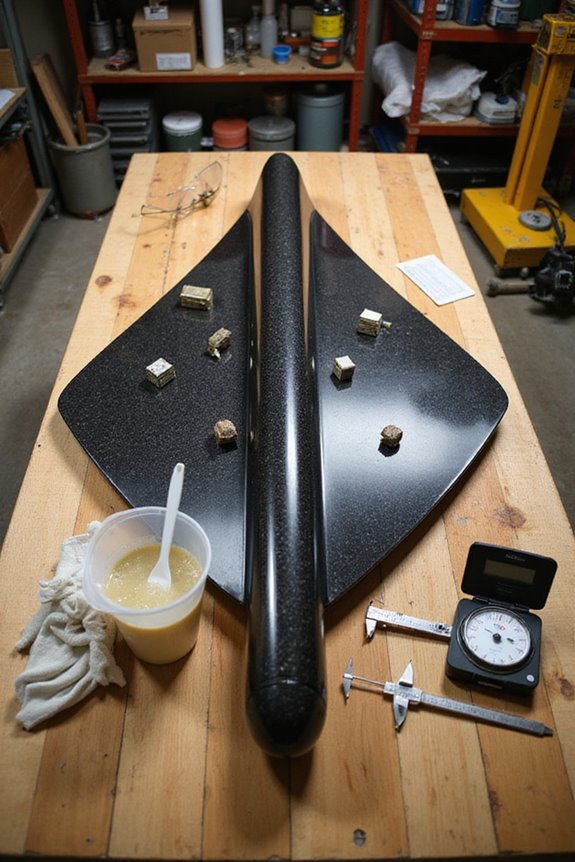
Safety is paramount in the world of composite wings. We can’t just slap some materials together and hope for the best! That’s where safety protocols and rigorous testing methods come into play.
First, we must choose materials that resist fatigue, corrosion, and the elements—like finding the perfect pick for your favorite pasta dish. Then, we plunge into static and dynamic testing, pushing our wings to their limits. You know, the thrilling “what if” moments, right?
Recommended Products

Brand: LFI 8"10"12"Special Made Fiberglass mat scissor Economic cutter Carbon fiber cloth scissor total length:8" cutter length:3" HIGH QUALITY Spending months to invest and develop the special material for cutter it is different in the market and we tested thousands of time to make this cutter it can use very good and fluent in processing or cutting the carbon fiber cloth

Used Book in Good Condition

Manufacturing and Assembly
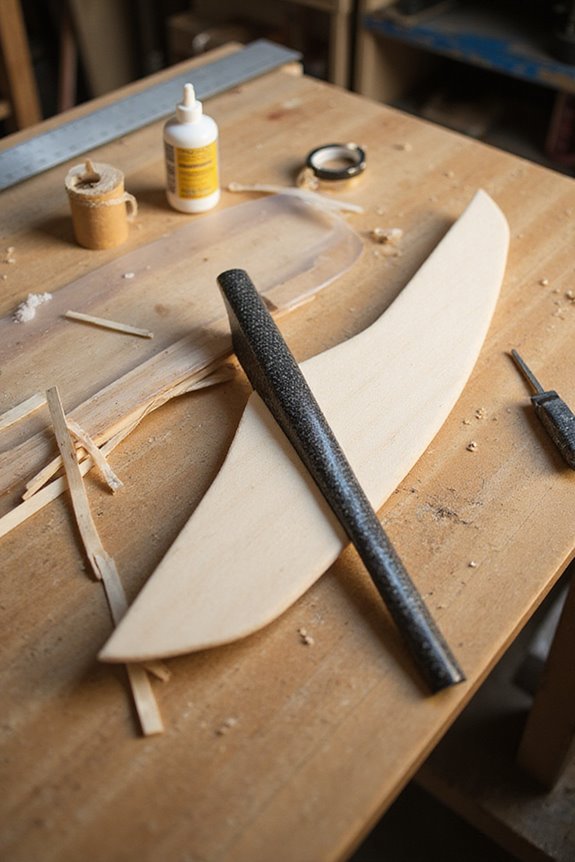
When it comes to manufacturing and assembly, getting it right is as essential as perfecting your grandma’s secret spaghetti sauce. First up, we’ve got panel fabrication. We lay down prepregs on a cure table using a Contour Tape Laying Machine. After curing in an autoclave, we trim the edges to guarantee everything fits like a glove.
Next, let’s plunge into spar manufacturing. These elongated hollow spars are created with resin-impregnated fibers wound around mandrels. This technique guarantees precise alignment and makes inspections a breeze.
Once our spars and ribs are ready, we assemble them to frame the wing. Together, we attach upper and lower skins, integrate control surfaces, and finalize our masterpiece. It’s a tasty mix of engineering and finesse!
Recommended Products
Devotion to consistently providing the highest quality

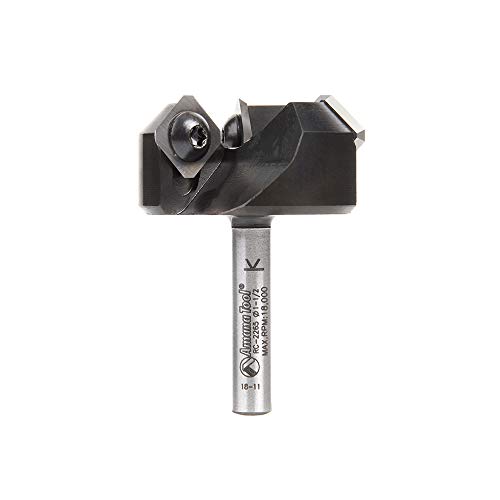
NO MARRING: This 2-wing countersink drill bit set includes an adjustable, low-friction revolving depth stop with a no-thrust ball bearing for easy adjustment without scratching or burning the surface

82 DEGREE COUNTERSINK BIT WITH DEPTH STOP: The unique revolving depth-stop with a no-thrust ball bearing allows for fast, precise countersink depth adjustments without scratching or burning surfaces
Frequently Asked Questions
What Tools Do I Need to Shape Foam Cores?
To shape foam cores, we’ll need foam cutting tools like hot wire cutters and CNC machines. Additionally, hand tools for detail work and templates will help guarantee our designs are precise and consistent.
How Do I Choose the Right Resin for My Project?
When choosing resin types for our project, we should consider curing time and desired properties. For performance, vinyl ester or epoxy often excels, while polyester suits tighter budgets, although it compromises strength and durability.
Can I Use Alternative Materials for Reinforcement?
While we might not be flying on jetpacks just yet, we can definitely explore fiberglass alternatives like basalt or flax fiber, alongside carbon fiber for reinforcement. They’re innovative and offer great properties for our projects!
What Safety Gear Is Required During the Building Process?
When building, we should always wear safety goggles and a respirator mask to protect our eyes and lungs from harmful particles. Using gloves and steel-toed boots is also essential for overall safety during the process.
How Long Does the Entire Wing Construction Take?
Building a wing’s like crafting a fine watch; every piece matters. Our wing construction timeline can span several months. With meticulous project planning, we can guarantee efficiency, balancing precision and timeliness at every stage.