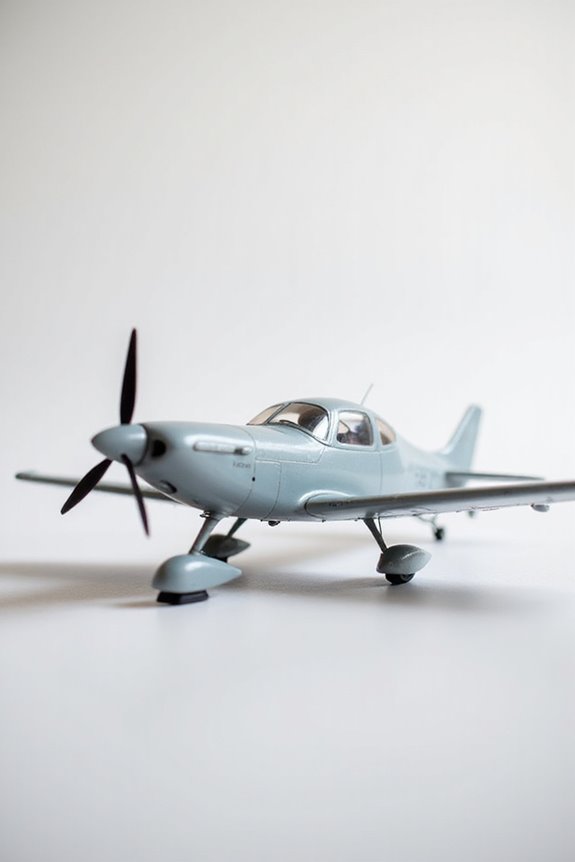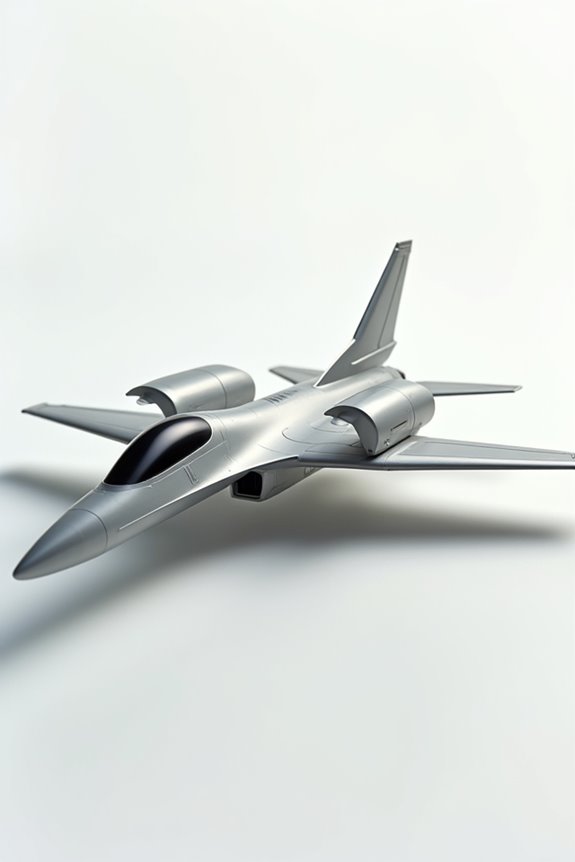
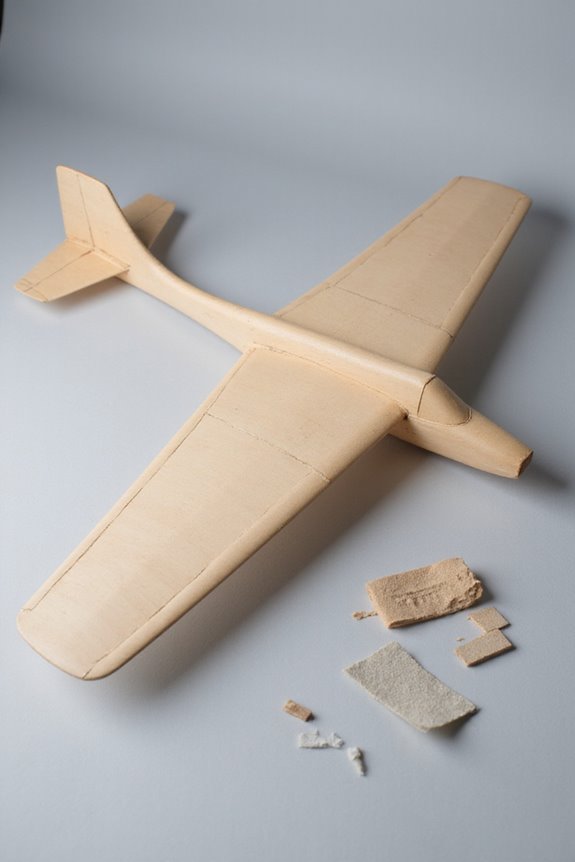

To improve our model’s glide ratio, we can start by optimizing wing design. A higher aspect ratio and cambered airfoils work wonders for lift. We should also lighten our models using advanced materials, like carbon fiber, which can cut down weight by 15-30%. Flying at the best glide speed and minimizing drag are essential, too. And let’s keep our planes in top shape with regular maintenance. There’s more we can explore to make our flying experience even better!
Key Takeaways
- Optimize wing design by increasing aspect ratio and adding winglets to reduce drag and enhance lift.
- Utilize advanced lightweight materials like carbon fiber and aluminum-lithium alloys to decrease overall weight.
- Maintain best glide speed and adjust pitch attitude for maximum aerodynamic efficiency during flights.
- Regularly inspect and maintain aircraft, ensuring a balanced load and minimizing protrusions for improved glide performance.
- Implement proper flight techniques, avoiding uncoordinated maneuvers and focusing on energy conservation during glides.
Optimize Wing Design and Configuration
When we look to improve our model’s glide ratio, optimizing wing design and configuration is key. A higher wing aspect ratio can greatly reduce induced drag, making our glide smoother. Think of it as a long, skinny wing slicing through the air more effectively!
You may be interested
How Do I Build A Model For Precision Aerobatics?
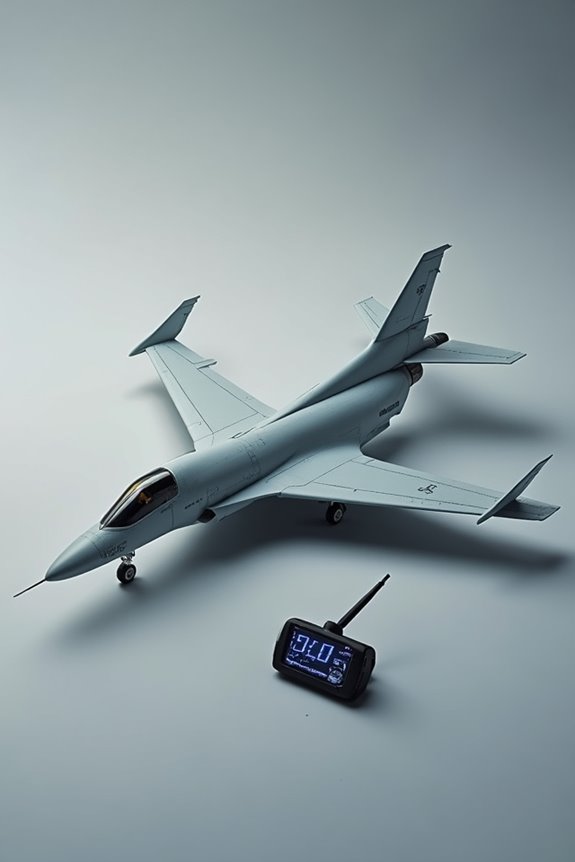
How Do I Measure The Performance Of My RC Plane?
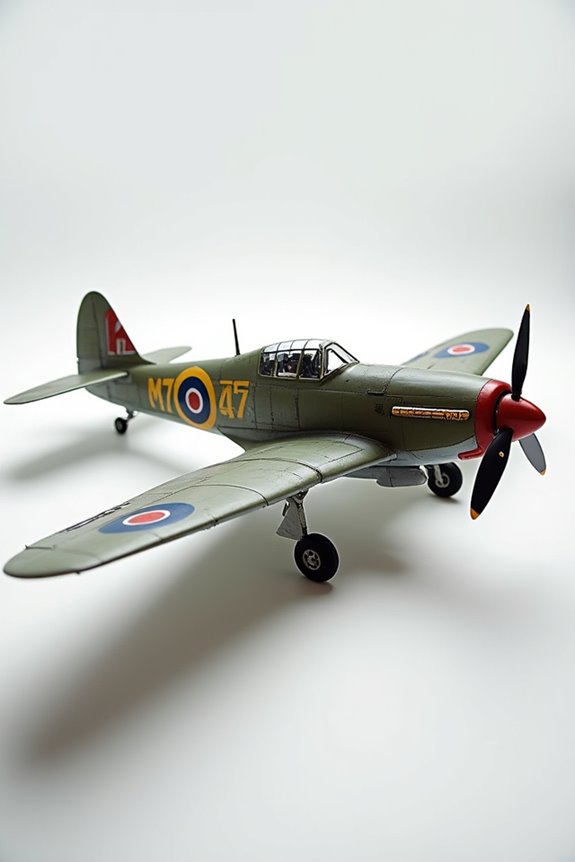
How Do I Participate In Model Aircraft Competitions?
We should also play with airfoil camber to tailor lift and drag for our specific needs. Cambered airfoils are great for glide, boosting lift at lower speeds. Plus, incorporating winglets in our design reduces drag by cutting down those pesky wingtip vortices—it’s like putting a little cap on our wing!
Lastly, let’s carefully consider wing loading. Lower wing loading can enhance performance, allowing us to glide gracefully rather than battle against the breeze. Models like the HobbyZone RC Airplane Carbon Cub S 2 demonstrate how these design principles can lead to easier flying experiences. Let’s get to tweaking!
Recommended Products
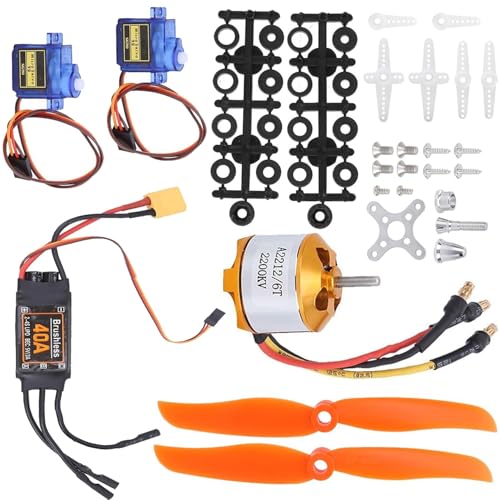
Easy to Install: The rc brushless motor installation and use is simple and does not require complicated operations, saving time and effort
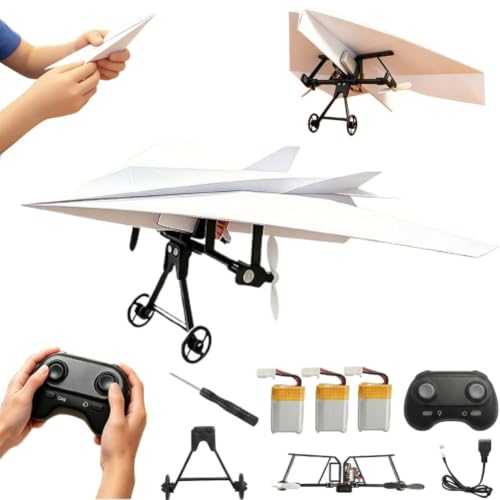
Revolutionary Flight Power: Transform standard folded designs into an electric flyer with this innovative paper airplane kit featuring smart stabilization for the smooth outdoor gliding of your awesome rc

【RC LED Light】This Wireless RC LED light kits designed with small volume and ultra light weight which is very easy to install on your RC jet plane.
Leverage Advanced Materials and Reduce Weight
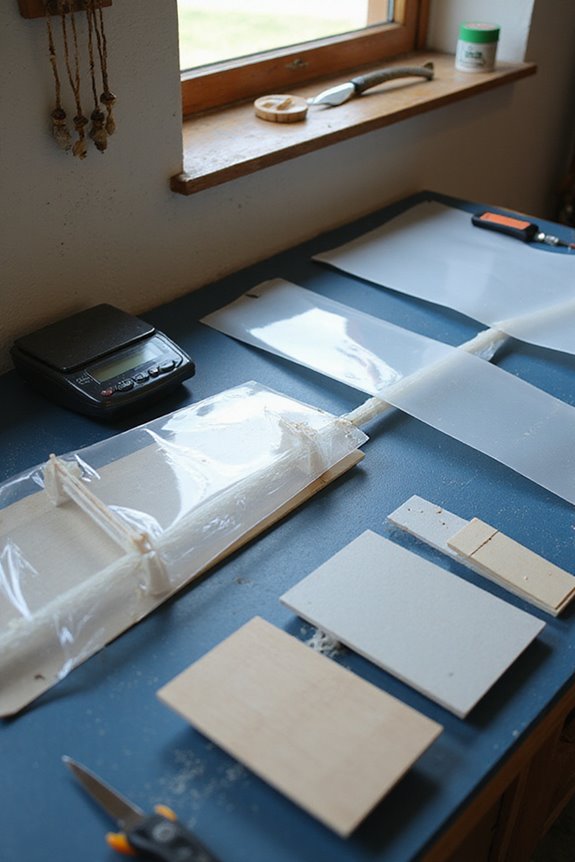
Optimizing our model’s glide ratio isn’t just about wing design—it’s also about what our model’s made of. By tapping into material innovation, we can greatly improve weight optimization. Advanced aluminum-lithium alloys can cut component weight by up to 10%. Imagine replacing those heavy steel parts with titanium—saving hundreds of kilograms!
Composites, like carbon fiber, can slice our model’s weight by 15-30%. Just look at the Boeing 787, it’s a lightweight champ, burning 20% less fuel compared to aluminum planes. Every kilogram we save leads to tons of fuel saved over time. Plus, lighter models reduce emissions, making our flying greener. So, let’s embrace these materials; they’re the secret sauce for a better glide! Additionally, using lightweight EPP foam can enhance both maneuverability and durability, making it an excellent choice for our models.
Recommended Products

Package include: 1pcs x carbon fiber sheet. Dimension: 200 x 300 x2.0mm.

Size Information: you will get 1 roll of carbon fiber fabric measures about 12 inches/ 30 cm in width, 6.5 feet/ 2 meters in length, and 0.01 inch/ 0.25 mm in thickness, enough size to meet your needs
Package include: 1pcs x carbon fiber sheet. Dimension: 200 x 300 x0.5mm.
Fly at Best Glide Speed
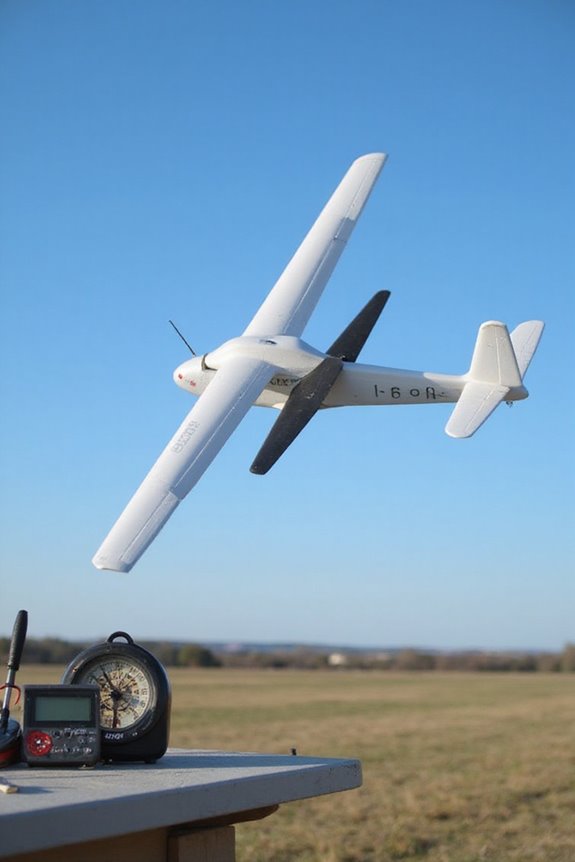
Flying at the Best Glide Speed can feel like finding that sweet spot in a perfect cup of coffee—it just makes everything better! When we’re in a glide, maintaining the right pitch attitude is essential. We want our aircraft’s nose aligned with the horizon, which helps us optimize our glide performance. This alignment lets us maximize distance traveled while losing altitude.
Using full nose-up elevator trim can keep us comfortably level, so we don’t have to fuss over continuous adjustments. During engine failures, matching this pitch attitude can be a lifesaver. The more we practice simulating these scenarios, the better we’ll get at intuitively knowing our Best Glide Speed. Remember, every second counts when we need to stretch our glide!
Recommended Products

OFFICIAL XBOX CONSOLE INTEGRATION - Access your favorite social features, switch seamlessly between your game and the console dashboard, and navigate menus effortlessly using dedicated Guide, View, and Menu buttons designed specifically for Xbox Series X|S, so you never have to reach for a separate controller during intense flight simulator sessions.

Multi-functional Cockpit:This racing flight sim cockpit supports both flight and racing simulation. It comes with 5 interchangeable mounting panels for flight/racing gear or mouse & keyboard,can be set as a flight sim cockpit or a racing sim cockpit as needed

'Flight Sim Stuff' True Vernier Mixture Control. Push-Pull Controls for Carb Heat, Throttle and Mixture. The throttle also features a friction lock nut, twist to lock the throttle in place.
Minimize Drag During Flight
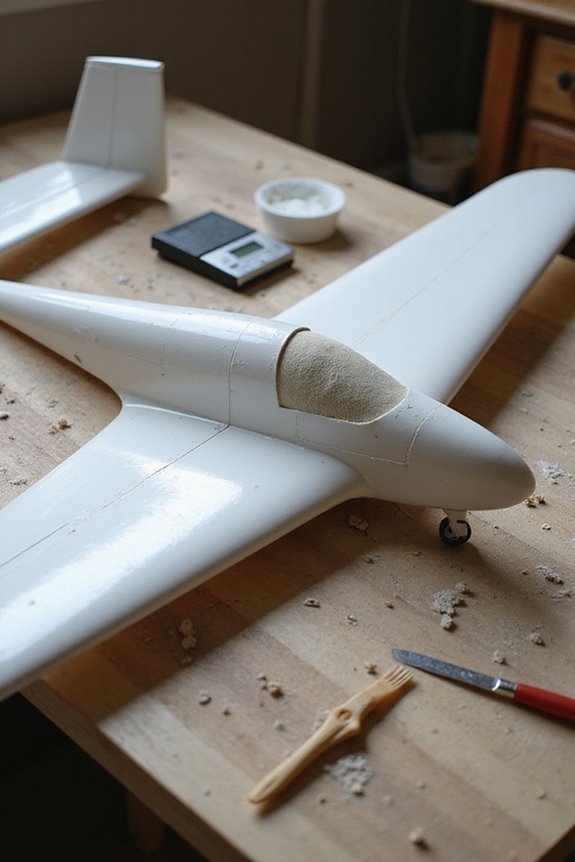
To make the most of our glide, we should focus on minimizing drag during flight. One way to achieve this is by leveraging riblet technology. These tiny channels on a surface can greatly reduce skin friction, allowing our model to slice through the air more efficiently.
Think of riblets like little speed bumps—but in reverse! Instead of slowing us down, they help smooth our journey. By strategically applying riblet technology to our models, we’re not just going faster; we’re flying smarter, too.
Every bit of drag we reduce means a longer glide and ultimately more fun in the air. So, let’s embrace this tech and watch our models soar gracefully, making the sky our playground!
Use Effective Navigation and Energy Management
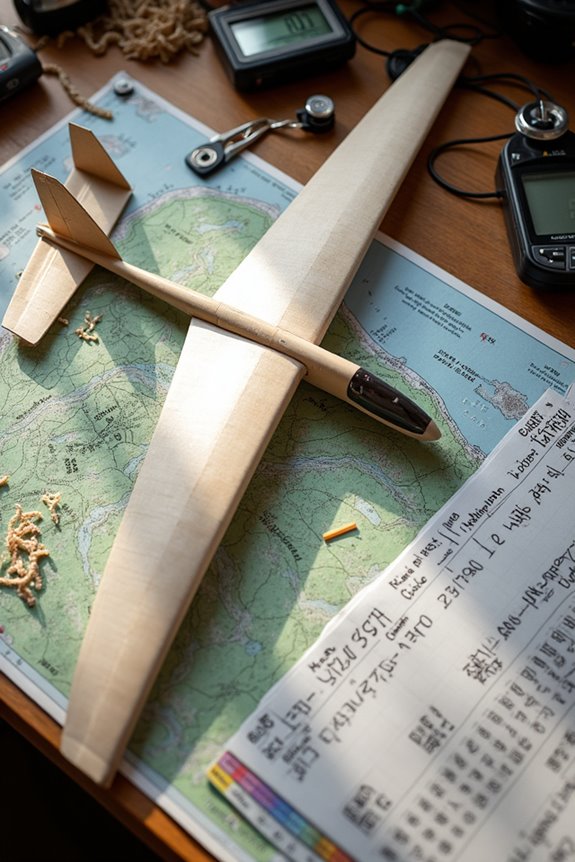
When we think about improving our model’s glide ratio, effective navigation and energy management are key players in the game. Staying energy aware means we’re always in tune with our glide path. If we catch small deviations early, we can avoid big corrections later, saving energy like a well-planned movie plot.
By coordinating pitch and power, we can maintain our altitude and speed seamlessly. It’s like dancing; if we move our pitch without adjusting power, we’ll end up in an awkward position!
Let’s avoid abrupt maneuvers that waste energy. Instead, smooth changes keep our glide path stable and effective. Think of it as exchanging potential energy for kinetic energy, ensuring we maximize our distance while keeping our flight fun and efficient. Additionally, using built-in stabilization systems can greatly enhance your control over the glide path and overall flight experience.
Consider Aircraft-Specific Factors and Examples
While optimizing a model’s glide ratio, we can’t overlook the aircraft-specific factors that play an essential role. For instance, the wing design’s aspect ratio can make a huge difference. Take the Schleicher ASW 22 sailplane with a stunning glide ratio of 60:1. Isn’t that impressive?
Also, materials matter. Lightweight options like carbon fiber keep the aircraft’s weight down, improving glide efficiency. Modern techniques, like 3D printing, help us create precisely optimized shapes.
Then, there’s the importance of configuration. Reducing drag through gear retraction and managing the propeller speed can boost our glide performance remarkably. Additionally, advanced flight stability technology can greatly contribute to improving overall flight control during gliding. So, check those aircraft specifications and learn from these model examples to enhance your own gliding experience!
Enhance Aerodynamic Cleanliness
Enhancing aerodynamic cleanliness isn’t just a nice-to-have; it’s crucial for maximizing glide performance. We can’t overlook smooth surfaces, as rough spots can ruin our glide like a rock thrown into a pond. Through surface inspection, we should remove rivet heads, fill gaps, and verify everything’s sanded down to a sleek finish.
It’s also important to minimize protrusions. Think of your model as a graceful fish; we want it streamlined. By retracting landing gear and sealing joints, we can cut down drag considerably. Additionally, using quality hardware ensures that all components work together seamlessly for optimal performance.
Aerodynamic testing, like using CFD or wind tunnel assessments, helps us spot and correct issues. Remember, even tiny changes can lead to major improvements in our glide ratio. So, let’s keep our models clean and mean!
Recommended Products
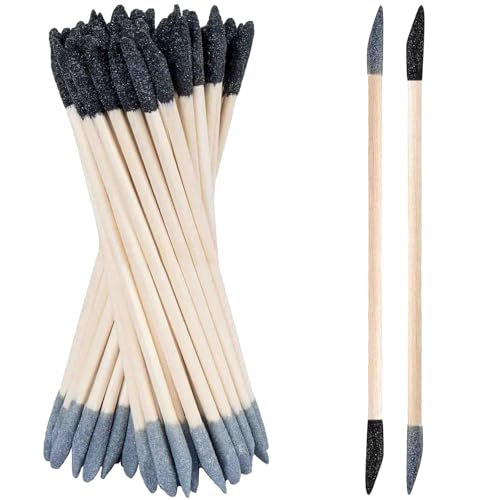
50-Piece Value Pack: Includes 50 durable sanding sticks (5.4 x 0.2 inches) for daily DIY projects, woodworking, and model detailing. Never run short during urgent tasks!

[EFFICIENT SANDING AND DURABLE] : stedi sanding sticks is different from other ordinary sanding sticks and sandpapers on the market, It's specially developed for the hobby of modeling, When it comes to miniature model parts that require a lot of sanding, The extended sanding area of this sanding sticks allows for efficient work. In addition, the superior processing technology makes the product more durable.

Package list: the package contains 20 pieces of polishing sticks in 20 different grits, including 80, 180, 400, 600, 800, 1000, 1500, 1800, 2000, 2400, 3000, 3200, 3600, 4000, 5000, 6000, 7000, 8000, 9000, 12000; Adequate quantity can easily meet your daily use and replacement needs
Regular Maintenance and Weight Management
Keeping our models in top shape is where the magic happens in improving glide ratio. Regular maintenance is essential. We should stick to a maintenance schedule, checking our gear every 100 flying hours or 24 months. Daily pre-flight checks can save our wings, too—gotta inspect those lines and harnesses for wear! Additionally, ensuring that our landing gear has good shock absorption features can significantly enhance the overall performance during landings.
Weight management is equally important. We need to keep our load within the manufacturer’s recommended range. Balancing our load distribution prevents imbalances that could jeopardize performance. And let’s be honest: carrying that extra snack won’t help us glide better!
Analyze Best Glide Strategies
Have you ever wondered how to make the most of your glide? Understanding our best glide strategies can really boost our glide performance. First, we need to find that best glide speed. It’s not about going slow; it’s about traveling furthest with the altitude we’re losing. Remember, flying slower increases our sink rate, while going too fast makes us fight against extra drag.
Wind plays a sneaky role too! Headwinds require a little speed boost, while tailwinds can let us relax a bit. Using a visual approach can help us nail our landing point and avoid awkward descents. So, let’s focus on mastering our glide techniques—because who doesn’t want to glide like a champ?
Implement Flight Techniques for Efficient Gliding
While we might dream of effortlessly soaring through the skies, efficient gliding is all about applying the right flight techniques. To maximize our glide ratio, we need to maintain ideal airspeed, hitting that sweet spot where lift-to-drag is at its best. One hiccup? Uncoordinated flight maneuvers like those S-turns can really increase drag.
Let’s keep things clean and streamlined by retracting flaps and minimizing protrusions. A well-trimmed aircraft also helps enhance energy conservation, so we glide further without burning extra fuel. And when adjusting our descent, consider tactical maneuvers. A crab in a crosswind beats slipping every time! So, let’s plan, adapt to conditions, and glide like the champions we are—smoothly and effectively.
Frequently Asked Questions
How Does Weather Influence My Model’s Glide Performance?
As we soar through the skies, we must remember that changing wind conditions and temperature effects shape our glide performance. Understanding these factors helps us navigate the air, ensuring a smoother, safer journey together.
What Types of Control Surfaces Can Enhance Gliding?
To enhance gliding, we can adjust flaps for better lift and aileron effectiveness for controlled turns. These adjustments help optimize our glider’s performance, ensuring a smoother and more efficient flight experience overall.
Can I Modify My Model’s Shape for Better Aerodynamics?
Absolutely, we can modify our model’s shape for better aerodynamics. By implementing shape modifications like streamlined profiles and enhancing aerodynamic features, we’ll reduce drag and boost our model’s performance considerably. Let’s get creative!
How Do I Ensure Stability During a Glide?
To guarantee stability during a glide, we need to check our center of gravity and weight distribution. Proper balance minimizes pitch instability, allowing for smoother, more controlled glides, ultimately enhancing overall flight performance.
What Maintenance Practices Improve My Model’s Glide Efficiency?
To enhance our model’s glide efficiency, we should prioritize regular inspections and surface cleaning. By ensuring smooth airflow and promptly addressing any wear or damage, we can greatly improve performance and minimize drag.