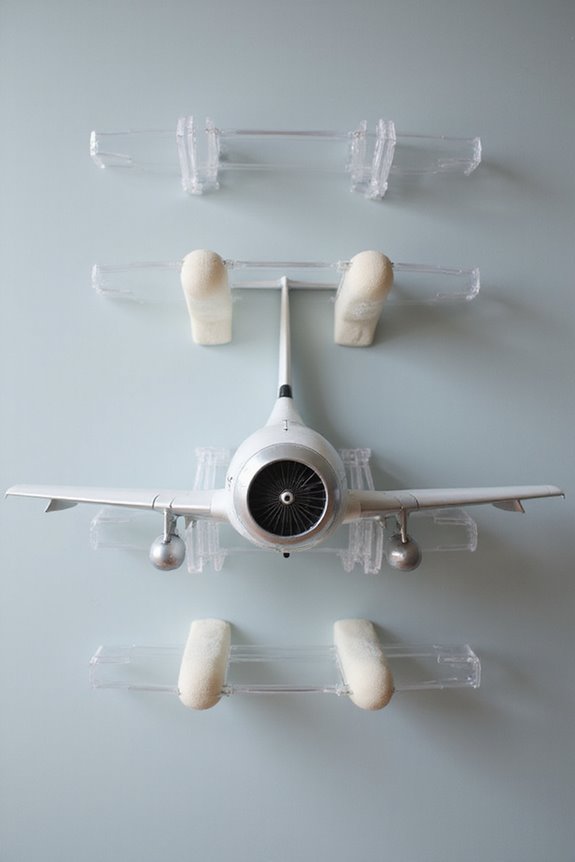

Storing our RC planes the right way keeps them in tip-top shape for flying. First, let’s remove the batteries to avoid accidental discharges. We should store planes in a stable environment, ideally between 55°F and 85°F, away from humidity and saltwater. Hanging techniques or soft-lined shelving work wonders to prevent damage. Regular inspections for cracks and cleaning after flights are key. If we follow these practices, our planes will be ready to soar anytime we are! Want to uncover more tips?
Key Takeaways
- Remove and store batteries in fireproof bags, aiming for a voltage of 3.8 to 3.85 volts per cell to prevent discharge.
- Keep RC planes in a stable environment, with temperatures between 55°F to 85°F, away from humidity and saltwater.
- Use hanging storage or soft-lined shelving to avoid damage, labeling shelves for better organization and keeping planes off the floor.
- Clean planes gently before storage, inspecting for wear and damage, and using a microfiber cloth for surface maintenance.
- Conduct regular inspections before flights to check for cracks, loose hinges, and ensure control surfaces respond smoothly.
Battery Removal and Storage
When we wrap up a day of flying our RC planes, one of the first things we should do is remove the batteries. This step isn’t just a good habit; it’s vital for battery safety. We understand that leaving them connected can lead to accidental discharge, which isn’t what we want.
You may be interested
After detaching the batteries, it’s important to check the battery voltage. We’re aiming for a storage voltage of around 3.8 to 3.85 volts per cell. If they’re overcharged, we should gently discharge them using a resistive load. Don’t forget to label each battery with its last voltage and usage date; think of it as giving your battery a little ID card. And let’s store them in fireproof bags—safety first!
Recommended Products

🔥【Zeee LiPo Battery Bag Material】- 100% outside fireproof fabric, interlayer fabric with waterproof effect, and inner non-woven fabric with flame retardant, which effectively isolate air and improve the safety when charging. Heat insulation temperature up to 1000℉. Please note the bag can't prevent the fire if the temperature over 1000℉. In this situation, it is not 100% fireproof.

🔥【Zeee LiPo Battery Bag Material】- 100% inner fireproof fiberglass fabric, interlayer non-woven fabric with flame retardant effect, and PVC fiber outer layer, which effectively isolate air and improve the safety when charging. Heat insulation temperature up to 1000℉.

High-Quality Material:Crafted from premium, high-strength flame-retardant material, this lipo battery charging bag significantly boosts fire resistance, ensuring a heightened level of safety during the charging process. It can withstand intense fire and heat, enduring temperatures of up to 2000°F, providing robust protection against potential fire hazards.
Environmental Conditions
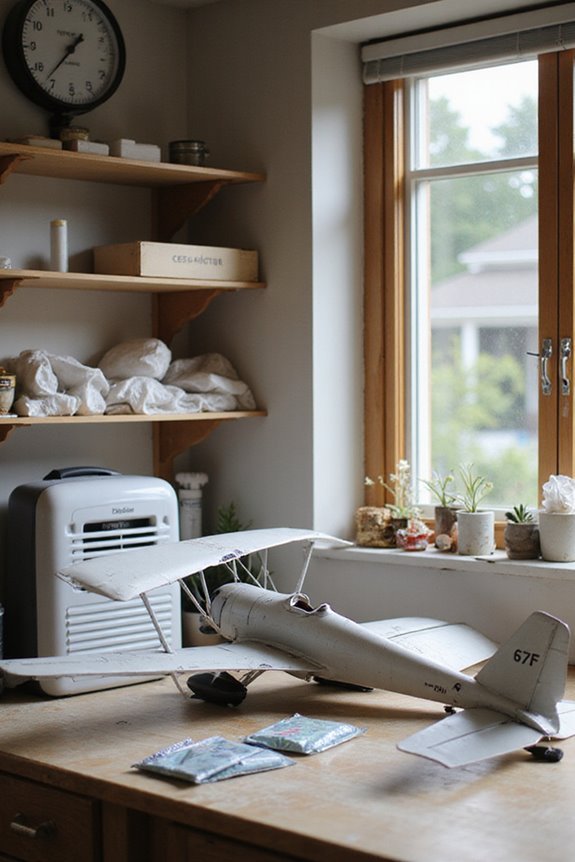
Storing our RC planes properly isn’t just a matter of finding a corner in the garage—it’s essential for keeping them in top shape. We need temperature stability, ideally between 55°F and 85°F. Too much fluctuation can cause condensation, leading to brittle materials and damaged electronics.
Humidity control is equally important. We should aim for low humidity levels to prevent warping of wood and corrosion of metals. Storing our planes near saltwater? That’s a recipe for disaster with oxidation!
Let’s keep our precious planes in well-ventilated areas, avoiding attics and garages where the conditions can swing wildly. Remember, a stable environment means longer-lasting fun in the air, without the unexpected crash—unless, of course, it’s during an epic stunt!
Recommended Products

✈️【6‑Tier Model Airplane Display Rack – 22 lbs per Tier】Premium carbon steel with sprayed finish resists warping and corrosion for long‑term durability. Each tier securely holds up to 22 lbs—perfect for organizing and displaying model aircraft collections in homes, hobby rooms, and shops.

【Heavy-Duty Carbon Steel Build】 Crafted from premium, strong carbon steel with a smooth, anti-rust sprayed finish, this durable rc plane stand resists bending, corrosion, and deformation. It ensures years of reliable, heavy-duty use for your workshop, holding your valuable model airplane stand set up safely without frequent replacements or wear.
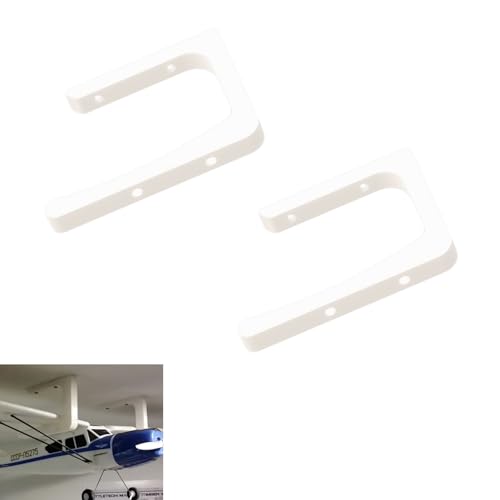
A great solution to save space and display your RC planes.
Physical Storage Methods
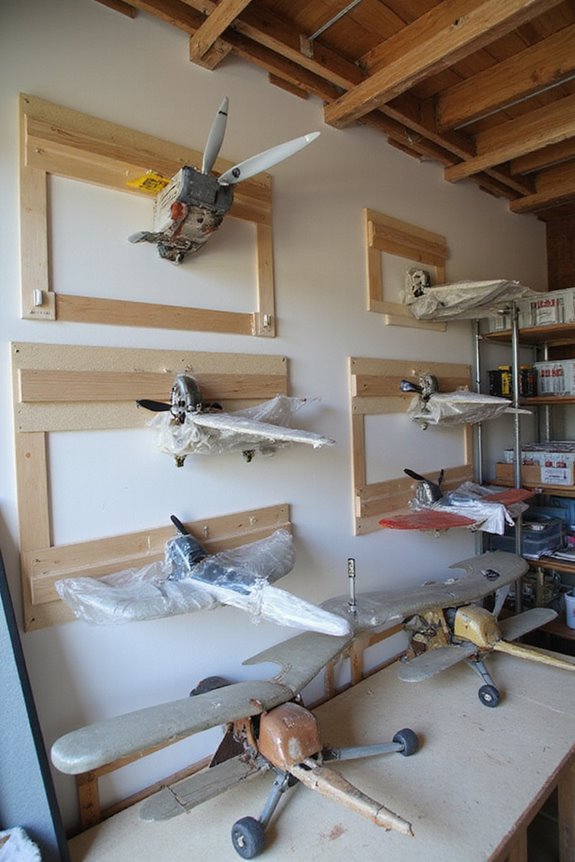
Proper physical storage methods can make all the difference in the longevity of our beloved RC planes. One effective approach is using hanging techniques. We can hang our planes from the ceiling with sturdy cords, ensuring they’re safe from damage. Just remember to use wide straps to protect their delicate foam surfaces!
If we prefer shelving options, let’s choose racks with soft-lined rails to cradle our models gently. Labeling each shelf helps keep everything organized—and yes, we all need a little organization in the chaos of our hobbies! By keeping our planes off the floor, we also reduce the chance of moisture and pests wreaking havoc on our foam beauties. Additionally, investing in high-strength metal racks can provide excellent durability and weight capacity for our collections. Let’s treat them with care, and they’ll reward us with flight after flight!
Recommended Products
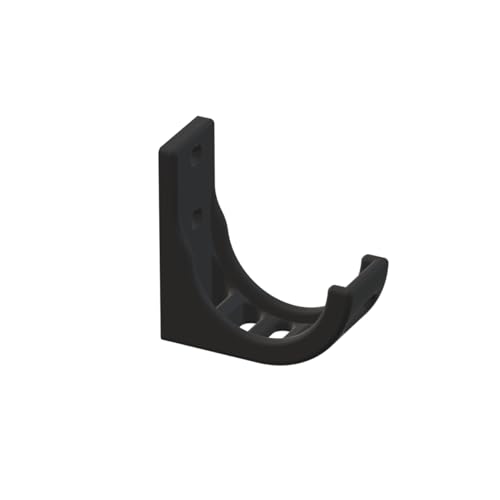
A great solution to save space and display your RC planes.

Metal Material: this nice rc car wall mount bracket structure is aluminum sturdy and durable Easy to install and adjustable to ideal viewing angle, providing optimal comfort and visibility This is an solution to save space and showcase remote-controlled aircraft

SPACE-SAVING SOLUTION: Designed to hang RC airplanes from ceiling or wall, freeing up valuable floor space while keeping your aircraft safely stored and beautifully displayed
Cleaning and Maintenance Before Storage
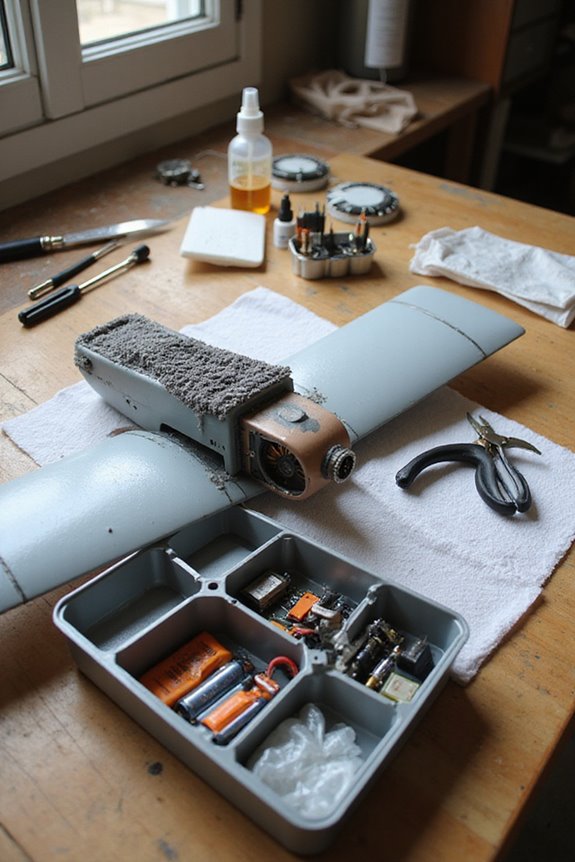
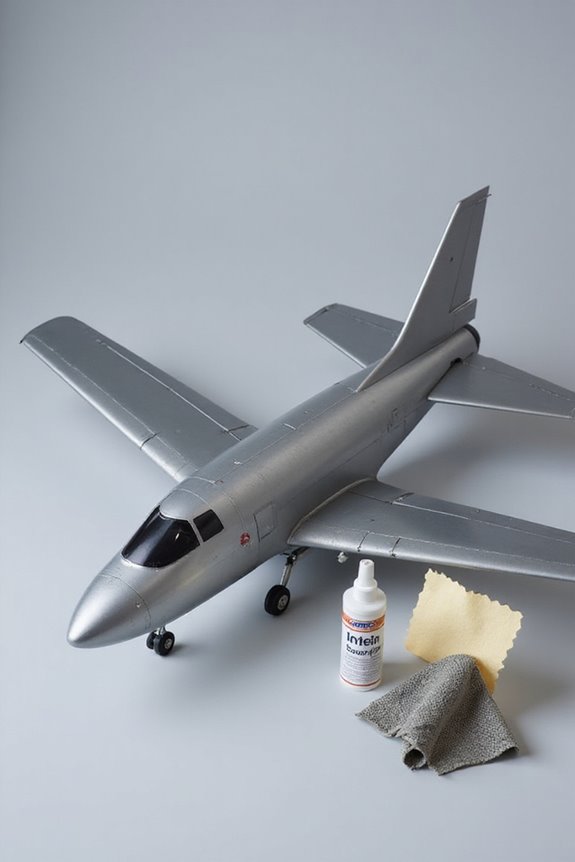
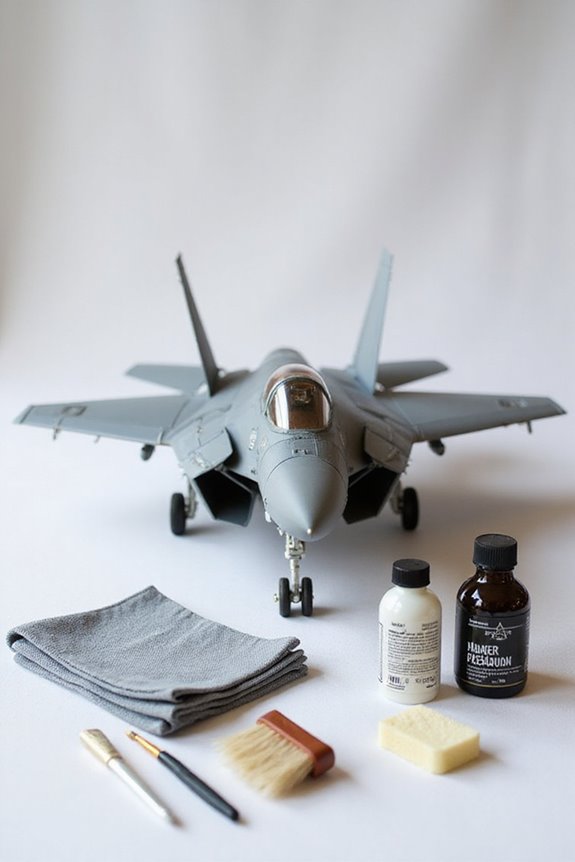
Before packing our RC planes away, we can’t overlook the importance of cleaning and maintenance. First off, let’s use some gentle cleaning techniques. A soft brush or compressed air works wonders for removing dirt. We can then wipe all surfaces with a microfiber cloth after a mild soap wash.
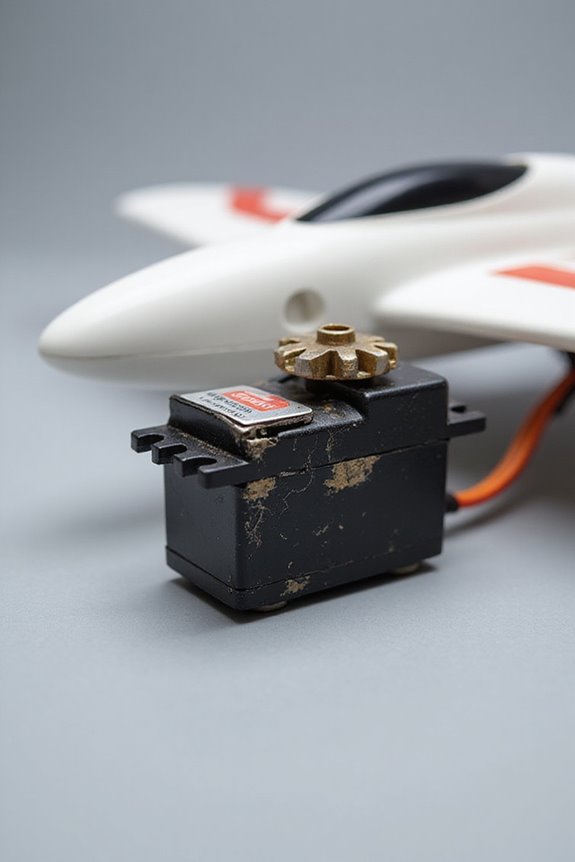
Next, let’s inspect for damage. We should check wings and landing gear closely for any wear. Don’t forget those pesky motor vents—they get dirty too!
For engine maintenance, a light wipe down is key; just avoid overzealous scrubbing. And before we tuck those batteries away, let’s make sure they’re disconnected and stored at about 50% charge. Following these maintenance tips keeps our planes in top shape, ready for our next adventure!
Recommended Products

PACKAGE INCLUDES-This screw driver set includes 7 Hex Screw Drivers(0.9mm, 1.27mm, 1.3mm, 1.5mm,2.0mm,2.5mm,3.0mm). A compact and durable tool set that can add a serious upgrade to your workbench.

Six-in-one aircraft model wrench tool model car disassembly and repair tool accessories pull rod nut wrench adjustment.

RC stand Compatible with Mostly Brands 1/8 1/10 1/12 1/16 Scale Models, Such as Traxxas / Arrma / Redcat Racing / SCX10 / HSP / HPI / Axial / RC4WD / WLtoys / Kyosho / Himoto / Losi / Exceed / Tamiya RC Crawler Car Truck Buggy Vehicle Scale Accessories.
Organization and Labeling
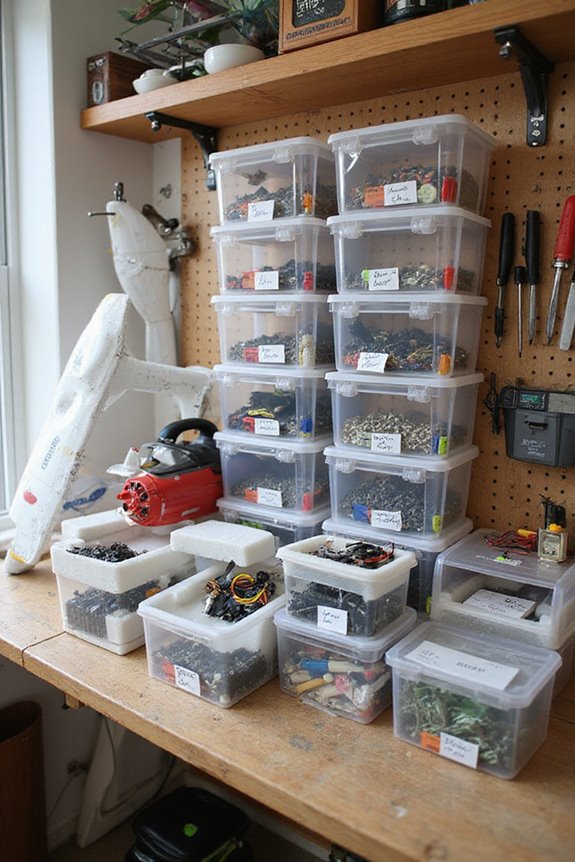
When we immerse ourselves in organizing our RC planes, we quickly realize that a little structure goes a long way. Using effective labeling systems can make our lives so much easier. By designating specific storage spots for each model and adding clear, durable labels, accessing our planes becomes a breeze.
We should also focus on accessory organization. Storing batteries, chargers, and tools in labeled bins can prevent the dreaded “where’s my spare prop?” scenario. Grouping accessories by function and using stackable, transparent containers optimizes space while allowing for quick checks. Additionally, consider using weight capacity compatibility to ensure that your storage solutions can safely handle the combined weight of your planes and their accessories.
Long-Term Storage Preparation
Storing our RC planes for the long haul deserves some serious thought, as we don’t want them turning into dust-collecting relics! To start, let’s manage our batteries—removing or unplugging them can save us from nasty surprises later. We should prioritize component protection by covering or removing sensitive parts like propellers and landing gear.
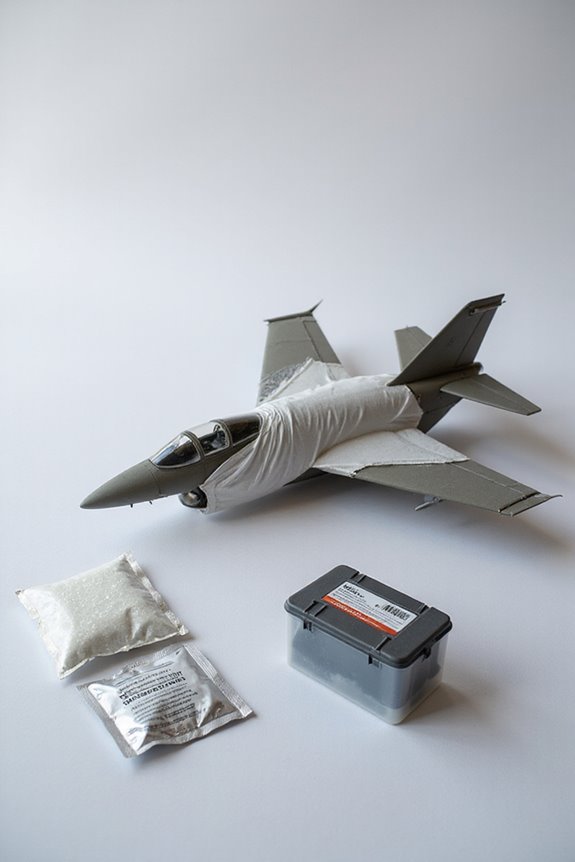
Dust prevention is key, so investing in breathable covers helps keep dust at bay without trapping moisture. Ideally, we should store our planes away from direct sunlight to avoid UV damage. Let’s also make sure they have some ground clearance to deter pests. Additionally, ensuring that the planes are made of lightweight EPP foam will further enhance their durability during storage. With a little effort, our beloved machines will be ready to soar when we are!
Recommended Products

FMS Customized Cover for RC Airplane (Wingspan: 1.3M-1.7M)

Made of high quality waterproof oxford cloth. The main bag has a very large capacity, can hold 1/10 RC cars,you can also use it as a duffle bag.

Regular Inspections and Upkeep
After getting our RC planes ready for long-term storage, it’s time to keep them in tip-top shape through regular inspections and upkeep. Think of these checks as our preventive measures against potential disasters—like that time we almost lost a wing mid-flight!
We should inspect our planes before each flight, checking for cracks, loose hinges, and secure connections. Establishing an inspection frequency helps catch small issues before they become big problems. Don’t forget to check the control surfaces! They need to respond smoothly, or we’re just flying a fancy paperweight.
Lastly, a little cleaning goes a long way. Keeping components free from grime means we’re not just storing our planes; we’re preserving their performance for future adventures!
Safe Transportation Practices
Ensuring our RC planes arrive safely at the field is just as essential as the fun we have flying them. Let’s use smart transportation techniques. First, we should secure our plane cases against stable surfaces, using padding to fill gaps. Trust us, preventing movement is vital!
Temperature matters too. Extreme conditions can warp our precious birds. So, let’s avoid direct sunlight and use insulation like blankets during transit. And remember, foam boards help create snug compartments that keep our planes cozy and safe.
Finally, let’s treat those cases like fragile trophies! Handle them gently, avoid sudden movements, and check closures before hitting the road. With these safety precautions, we can enjoy our flying adventures without worrying about damage in transit. Happy flying!
Frequently Asked Questions
How Often Should I Check My RC Plane During Storage?
We should check our RC planes during storage every 1 to 3 months. Increased storage frequency allows us to catch any maintenance checks necessary, especially if environmental conditions change or if we’ve experienced extreme weather.
Can I Store My RC Plane Outdoors Temporarily?
They say, “A stitch in time saves nine.” For temporary outdoor storage, we’ve got solutions! We can store our RC planes outdoors briefly, but let’s protect them from the elements like moisture and UV exposure.
What Type of Battery Is Best for My RC Plane?
When choosing batteries for our RC planes, we should consider LiPo batteries for performance and power. However, if we’re beginners, NiMH batteries might suit us better with their safety and ease of use.
Is It Safe to Stack Multiple RC Planes?
Sure, we could stack our RC planes like a game of Jenga, but then we’d be crying over crushed wings and shattered dreams. Let’s stick to proper stacking methods for better weight distribution and happy flying!
How Can I Prevent Pests From Damaging My Stored Planes?
To prevent pests from damaging our stored planes, we should implement effective pest control measures with proper storage solutions. Keeping planes elevated and covered, along with maintaining ideal environmental conditions, helps safeguard against infestations.