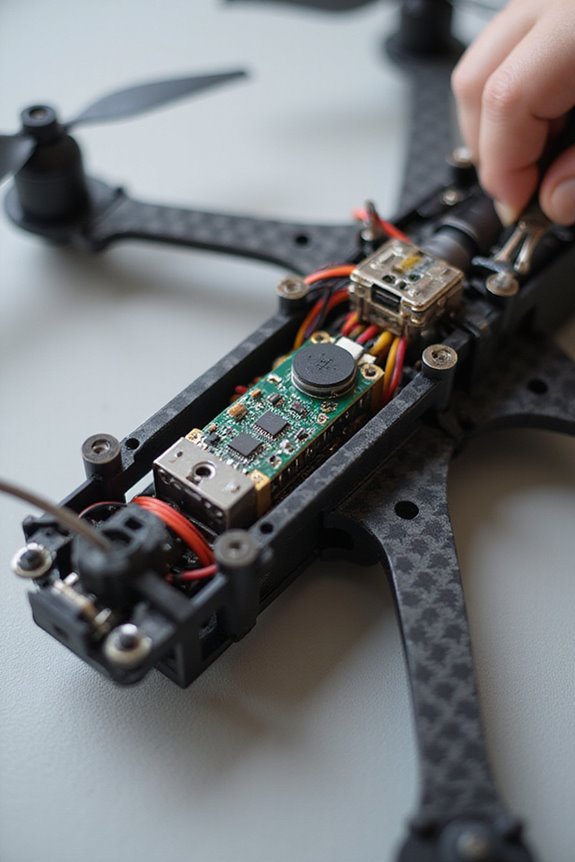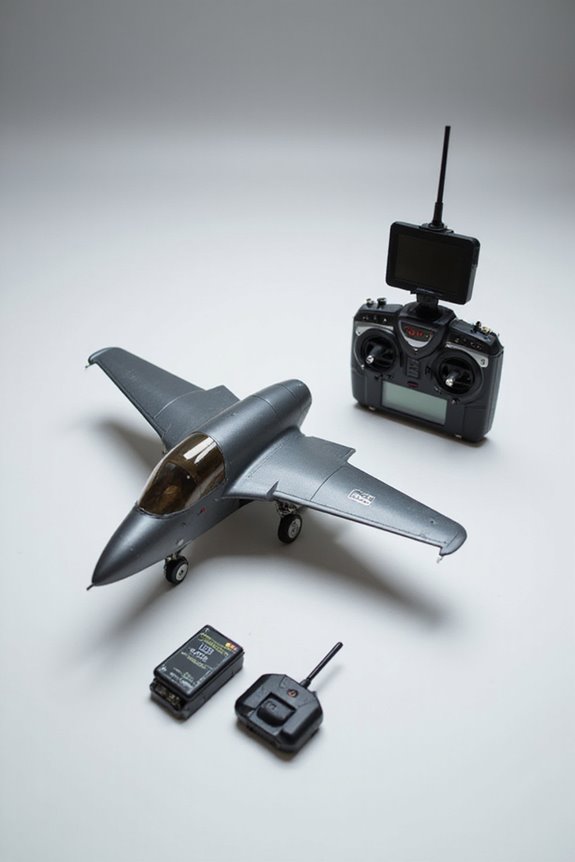
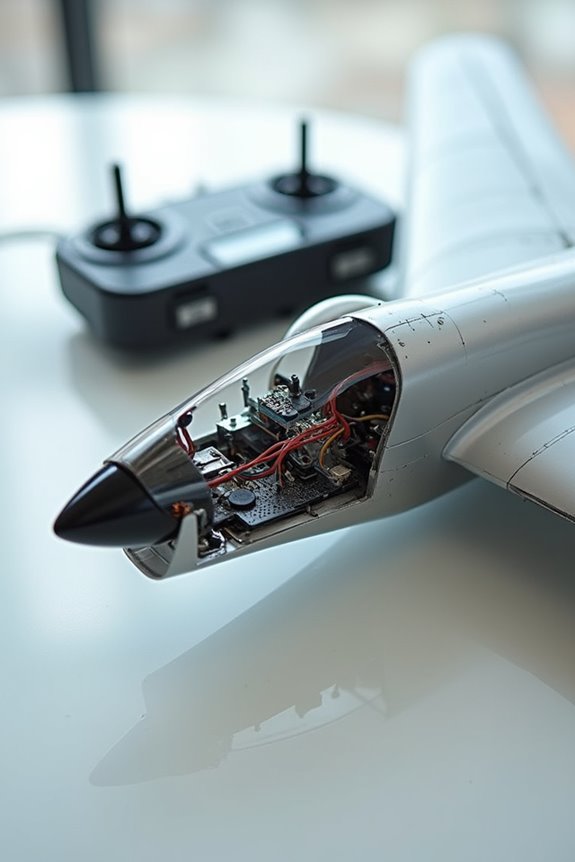

If our RC plane won’t bind, let’s troubleshoot together! First, check if the receiver’s powered and the bind plug‘s snug. We can’t have loose connections messing with our signal! Make sure the receiver’s right-side up, and the transmitter matches its protocol. Don’t forget fresh batteries for both! If it still won’t connect, there might be compatibility issues lurking in the shadows. Stick around, and we’ll uncover more tips to get us soaring high!
Key Takeaways
- Verify that the receiver is powered and the bind plug is securely inserted; this is crucial for a successful binding process.
- Check that the receiver is positioned correctly, ideally on a flat surface, and not upside down to avoid sensor confusion.
- Ensure both the transmitter and receiver are compatible, operating on the same frequency, and using matching communication protocols.
- Inspect all connections for looseness and confirm that all components have fresh batteries to prevent power-related issues.
- Eliminate potential interference by performing the binding in a quiet environment, free from other RF signals and distractions.
Understanding the Binding Process
When we start flying our RC planes, one of the first things we need to tackle is the binding process. Think of binding as giving our transmitter and receiver a secret handshake. It’s how they recognize each other, ensuring our commands aren’t mixed up with someone else’s plane. This binding mechanism links them exclusively, preventing that awkward moment when another plane decides to cut us off in mid-air!
You may be interested
How Do I Add Navigation Lights To My Model Aircraft?
How Do I Bind My Transmitter To My Receiver?
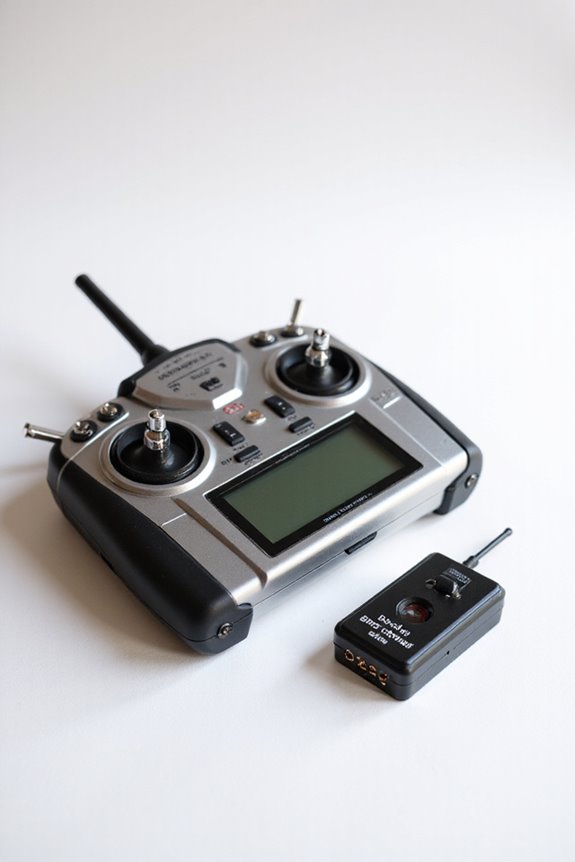
To get started, we power up the receiver and insert a bind plug. Then, we turn on our transmitter while pressing the bind button. If all goes well, the receiver LED will go from frantic blinking to solid—indicating binding security is established! This step keeps our flights safe and our planes flying true. Additionally, using a reliable battery charger can enhance the overall flying experience by ensuring your RC plane is always ready for action.
Recommended Products

Package Includes - 4pcs universal bind plugs
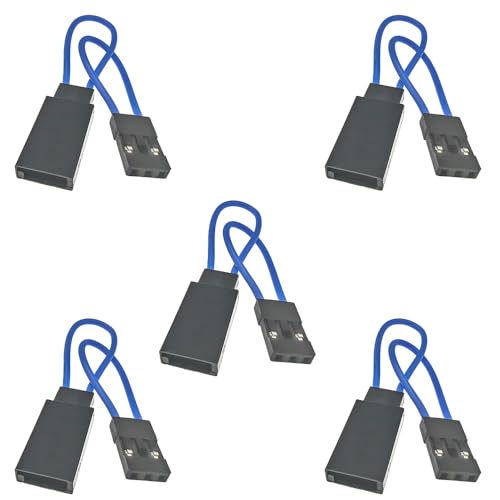
Package Includes - 5pcs universal bind plugs
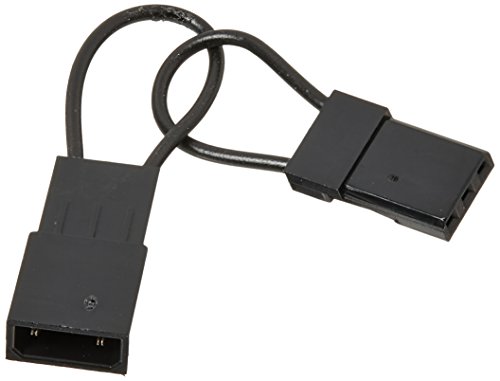
Quickly and easily plugs directly into Spektrum receivers or through the charge jack on the switch
Common Causes of Binding Failures
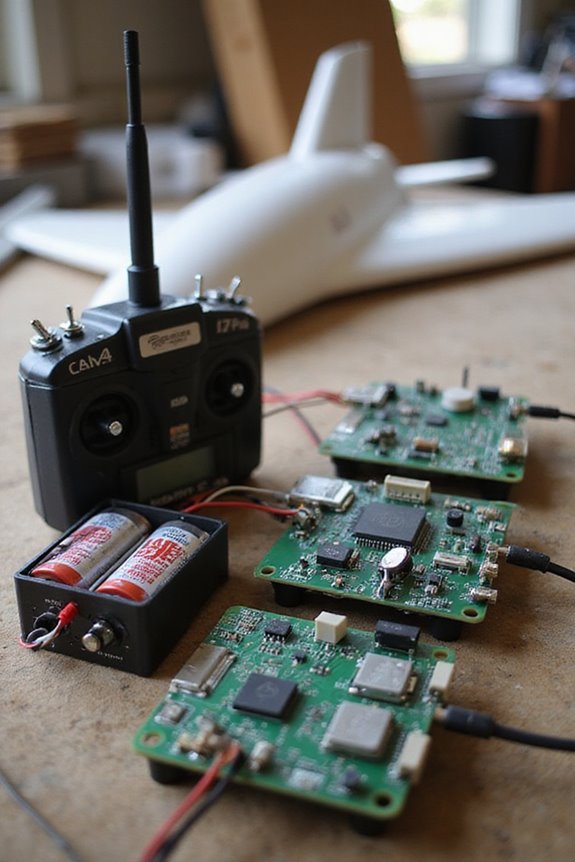
Even after getting a handle on the binding process, we might still run into hurdles that prevent our RC plane from linking up with its transmitter. One common culprit is battery issues; if the receiver battery is weak or dead, it won’t power up properly during binding. Remember, no power means no communication!
Receiver positioning also plays a huge role. Mounting the receiver upside down can confuse its sensors, making it think the plane’s doing a barrel roll, when really, it’s just sitting still. And don’t forget about that pesky binding plug! Leaving it in can lead to unexpected behavior, kind of like forgetting to turn off your phone during a movie. Keeping an eye on these details can help guarantee a successful binding experience.
Recommended Products

[4 CELL x AA BATTERY HOLDER] Fits 4 x AA batteries, which produces 6V for your servo tester and servo motors.
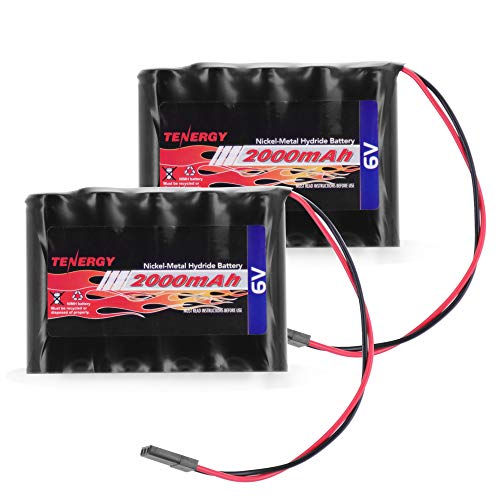
2 Pack high capacity of 2000mAh RC receiver battery pack with Hitec connector delivers 6V of power, can be rapidly charged so that you spend more time with your hobbies.

Ideal hobby battery pack with 1600mAh high capacity, rapid charge, and 1600mAh run time.
Troubleshooting Binding Issues
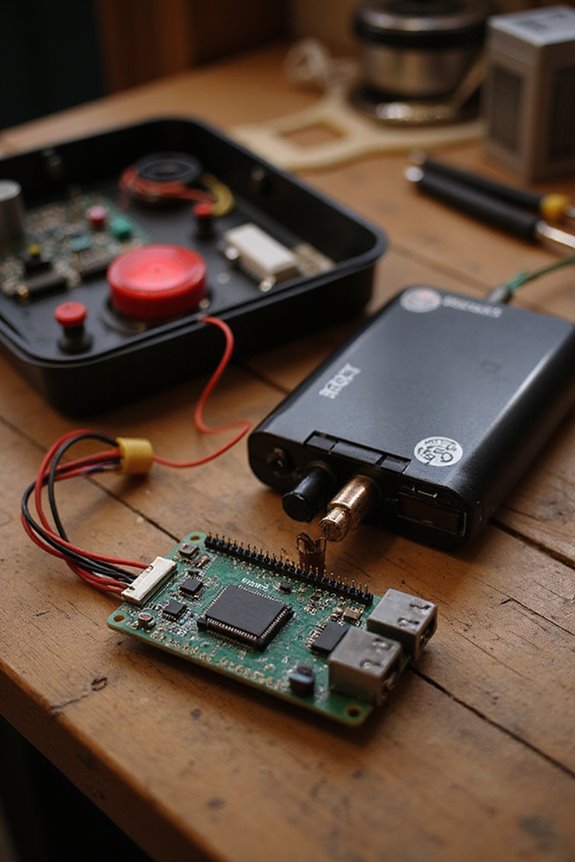
Sometimes it feels like our RC planes have developed a mind of their own when they won’t bind. First, let’s check the basics. Are our connections secure? A loose wire or improperly inserted bind plug could cause signal interference.
Next, we need to guarantee the receiver is oriented correctly on a flat surface. Binding techniques matter here; if it’s upside down, the gyro might throw a fit!
It’s also essential to double-check transmitter compatibility. If we’re on the wrong protocol, we might as well be speaking a different language. Finally, let’s make certain everyone involved is powered up. With fresh batteries in our transmitter and a fully charged battery in our plane, we should be ready to give binding another go!
Recommended Products

Compatible Models: The SPM6802 RC Receiver Binding Wire is compatible with Spektrum models, including AR6210, AR800, AR9020, S603, and F701, ensuring reliable connectivity for your RC needs.

Compact footprint to fit in a wide range of aircraft
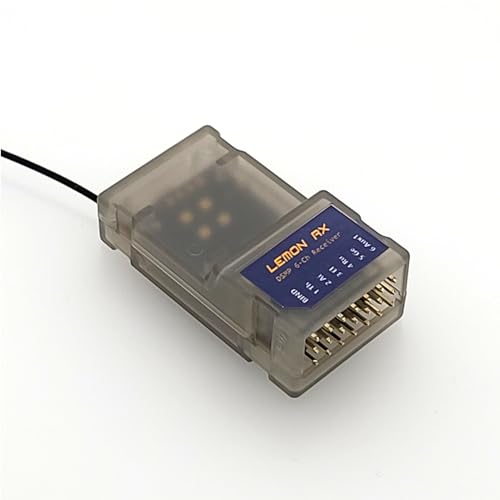
Long-Range Control: Our Lemon rx receiver can help you enjoy exceptional control range with stable and reliable signal transmission, even at extended distances. This rc receiver ensures seamless navigation in various flying environments, from open fields to complex landscapes, without the worry of signal dropouts or control limitations.
Tips for Successful Binding
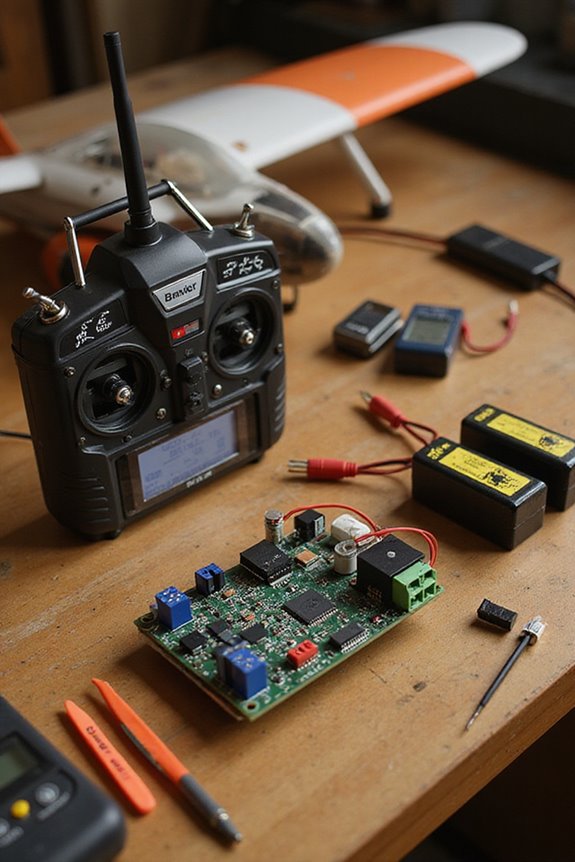
Binding an RC plane can feel like a puzzle we’re trying to solve together. To boost our odds of success, we should master a few essential binding techniques. First, let’s make certain our receiver is powered up, with the bind plug snugly in its port. Remember, we need our transmitter to be in binding mode too!
Once we follow the manufacturer’s instructions—like a recipe for our favorite dish—let’s keep the area quiet and interference-free. Fresh batteries are vital, so no one’s caught napping mid-flight! Additionally, ensuring that your equipment is compatible with specific aircraft types can significantly enhance the binding process. After binding, we can confidently test our control surfaces and verify everything’s responding correctly. If it doesn’t? A little troubleshooting might just do the trick. So, let’s gear up; our RC adventures await!
Recommended Products

300mm Servo Extension Y Connectors Cable For RC JR Futaba

4) The system is built using highly sensitive low power consumption components, maintaining high receiver sensitivity, while consuming as little as one tenth the power of a standard FM system, dramatically extending battery life.

Spektrum SLR300 3-Channel SLT Receiver Single Protocol, SPMSLR300
Checking Receiver and Transmitter Compatibility
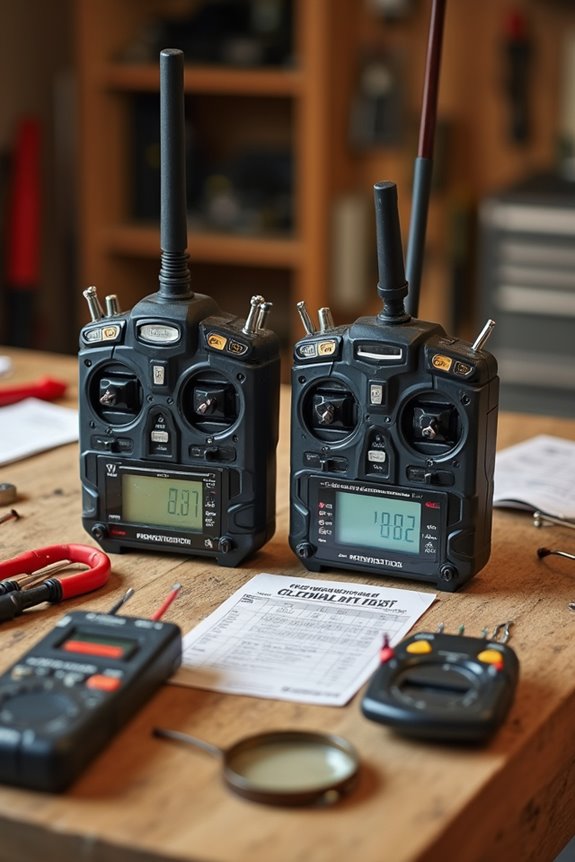
When it comes to flying our RC planes, the right combination of transmitter and receiver is like pairing the perfect cheese with our favorite wine. We need to guarantee both components come from the same brand or are designed to be compatible. If not, we’ll likely face stubborn binding issues.
Let’s remember to check the receiver specifications against the transmitter features. They’ve got to operate on the same frequency, typically 2.4GHz, and use matching communication protocols. A mismatch here can lead to a failed connection faster than a plane can drop from the sky! If we’re unsure, sometimes brands offer conversion modules, but they’re rare. So, it’s best to stick with compatible pairs to keep our flying dreams soaring! Additionally, consider the importance of anti-interference technology when selecting your receiver, as it can significantly enhance signal stability.
Recommended Products

4 Buttons Controlling - Forward, Backword, Leftward, Rightward

DUMBORC X4 remote controller and Dumborc receiver X6F with 3ms fast response time and sensitive steering, 2.4GHz strong anti-interference ability which provides long range control distance up to 400 meters, suit for rc cars, boats, tanks, trucks, crawlers, buggies and so on.

2.4GHz AFHDS (Automatic Frequency Hopping Digital System), developed specifically for all radio control models, has strong active and passive anti-interference capabilities, extremely low power consumption, and high receiver sensitivity. After years of market user verification, many RC enthusiasts favor.
When to Seek Further Support
So, what should we do if we’re still stuck with a binding issue after trying all the usual tricks? First off, we might want to contemplate seeking professional assistance. If our receiver’s consistently wonky, or if it won’t enter bind mode, it could suggest hardware malfunctions. We’ve got to pay attention to those loose connections or power supply issues that could be sabotaging our flights.
If we’re dealing with complex setups or suspect damaged components, it’s probably best to call in the experts. Remember, troubleshooting can be fun, but sometimes, it’s okay to let the pros handle it. After all, we want our planes flying, not just sitting around looking pretty! Additionally, consider reviewing real-time telemetry features, as they can help identify issues with battery voltage and distance during troubleshooting.
Frequently Asked Questions
How Long Does the Binding Process Typically Take?
Like clockwork, the binding process usually takes just 2 to 10 seconds. If we run into trouble, we should consider receiver compatibility and follow binding troubleshooting steps to guarantee a swift connection.
Can I Bind Multiple Receivers to One Transmitter?
Yes, we can bind multiple receivers to one transmitter, given they share the same compatibility. However, we should be mindful of binding range limitations to guarantee reliable control without interference in our multi-receiver setup.
What Tools Do I Need for the Binding Process?
Did you know 75% of binding issues arise from improper tools? So, let’s gather essential binding tools like a bind plug, multi-size hex wrenches, and voltage tester. These troubleshooting tips will guarantee a smoother binding process.
Will Binding Work if My Transmitter Battery Is Low?
If our transmitter battery’s low, it likely won’t bind. Different transmitter types have specific voltage needs, and battery issues can disrupt the signal, making a full charge essential before we attempt binding our RC plane.
How Can I Reset My Receiver for a New Binding?
To reset our receiver for new binding, we should follow a specific reset procedure. Let’s remember troubleshooting tips, like ensuring proper power and orientation, to help make the binding process smoother and more effective.