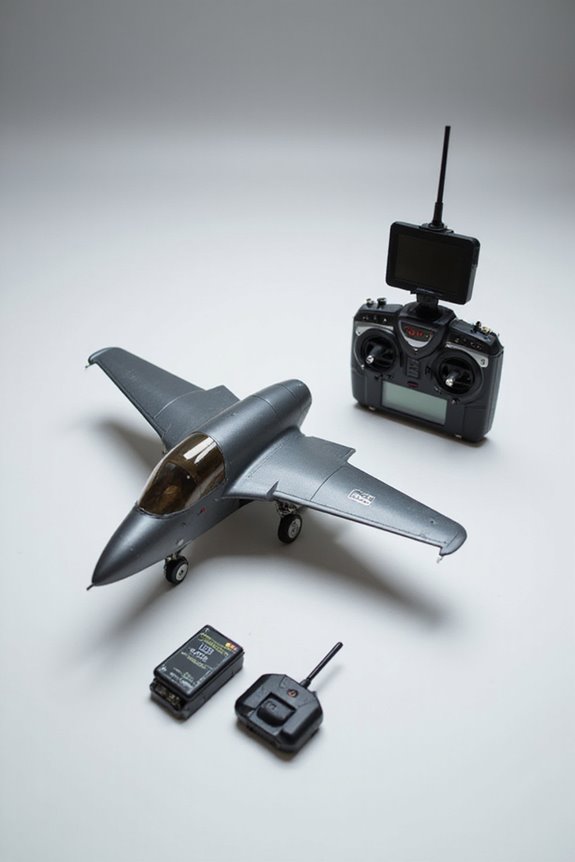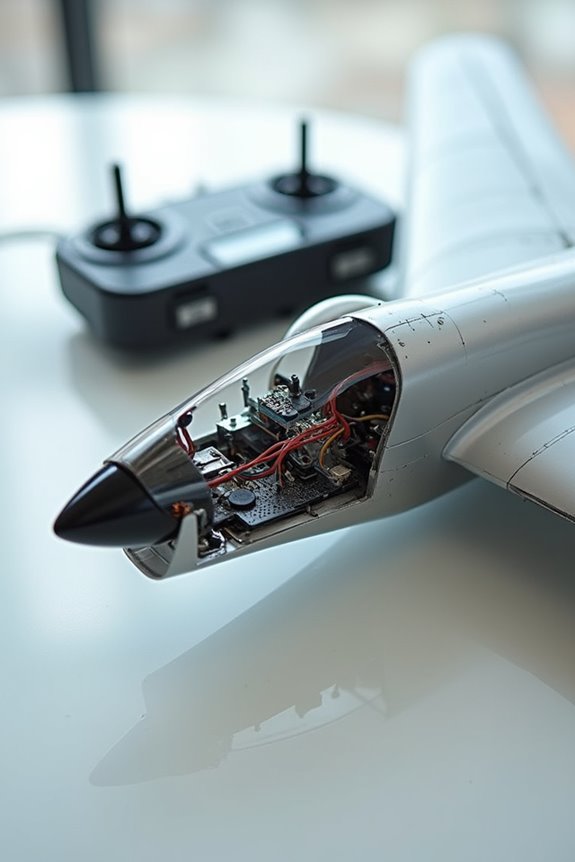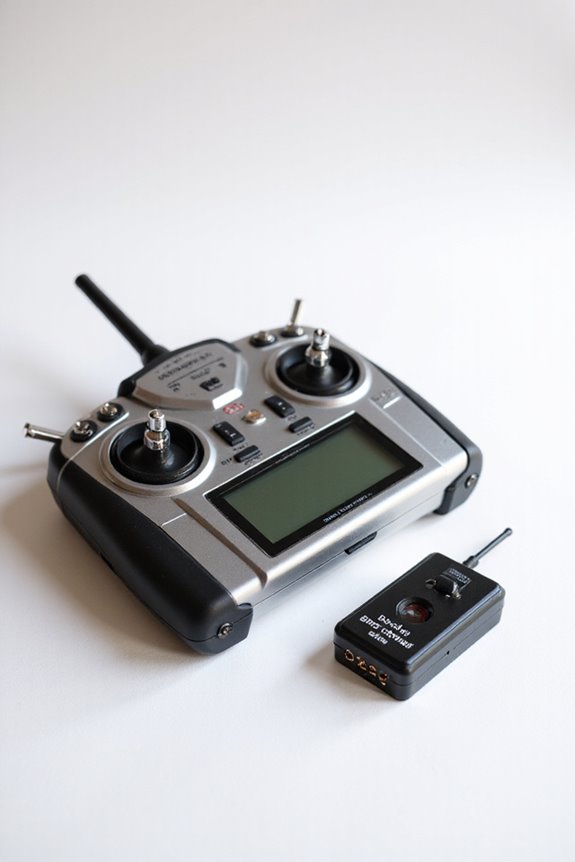
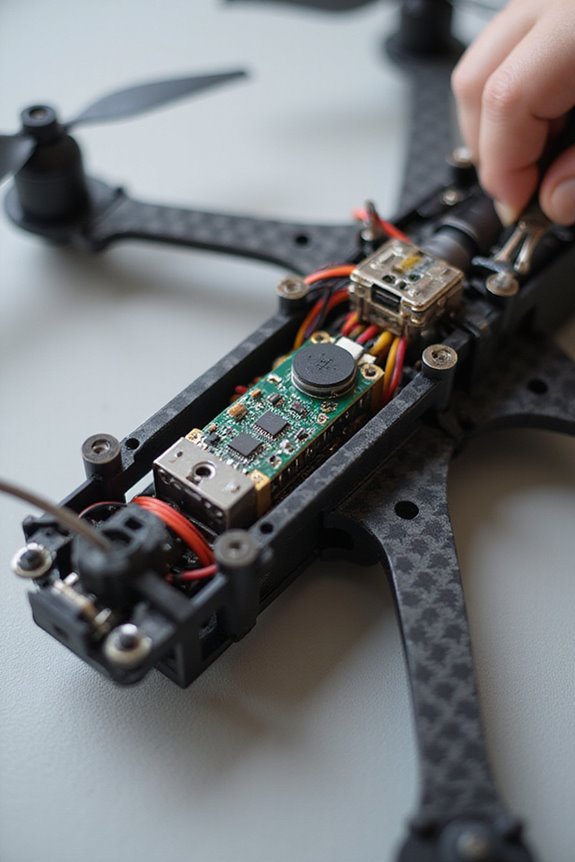

To connect electronic parts in our RC plane, let’s keep it simple. First, we install the motor, ensuring it’s a brushless type and fits snugly. Next, we add servos, making sure they’re aligned with control surfaces for smooth maneuvers. When wiring the ESC, remember to match positive and negative leads carefully. Finally, we bind the receiver to our transmitter, a bit like matchmaking for radio signals. If we follow these steps, our plane’s ready to soar! Want more tips?
Key Takeaways
- Connect the transmitter to the receiver, ensuring the correct channels correspond with the servos and ESC for optimal control.
- Wire the ESC to the motor, making sure to use high-quality solder and heat shrink tubing for durable connections.
- Identify and connect the positive, negative, and signal wires from the ESC to the corresponding battery and receiver inputs.
- Mount servos securely near control surfaces, connecting them to the designated channels on the receiver for precise movement.
- Bind the receiver to the transmitter by inserting the bind plug and following the binding process while avoiding RF interference.
Key Components of RC Plane Electronics
When we think about the key components of RC plane electronics, it’s easy to get lost in the jargon. Let’s break it down! Our transmitter sends commands, acting like the pilot’s voice, while the receiver picks up those signals—think of it as our plane’s ears.
You may be interested



Now, transmitter types vary, but most likely, we’re using 2.4GHz systems for reliable communication. This also helps maximize the receiver range, letting our plane soar far and wide.
Next up, we’ve got the Electronic Speed Controller (ESC) that manages the motor’s speed—it’s like the throttle in a car. It’s important to choose an ESC with the right amperage capacity to ensure optimal performance. Finally, don’t forget about our trusty servos, which control the ailerons and elevators. All these components work together to keep our flights smooth.
Recommended Products
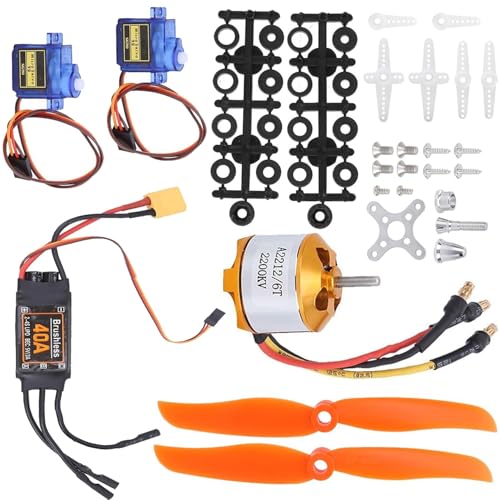
Easy to Install: The rc brushless motor installation and use is simple and does not require complicated operations, saving time and effort

Complete DIY RC Plane Kit: Includes A2212 brushless motor, 30A ESC speed controller, SG90 servo, compatible propellers, XT60 connector, Z-wire, motor mount, rudder angle, and connector protectors for building a fixed-wing RC airplane

MATERIAL: The rc plane motor is made of metal and plastic, easy to install, compatible with lithium-ion battery packs, and can change the time to adapt to different brushless motors, with a long service life.
Installing the Motor
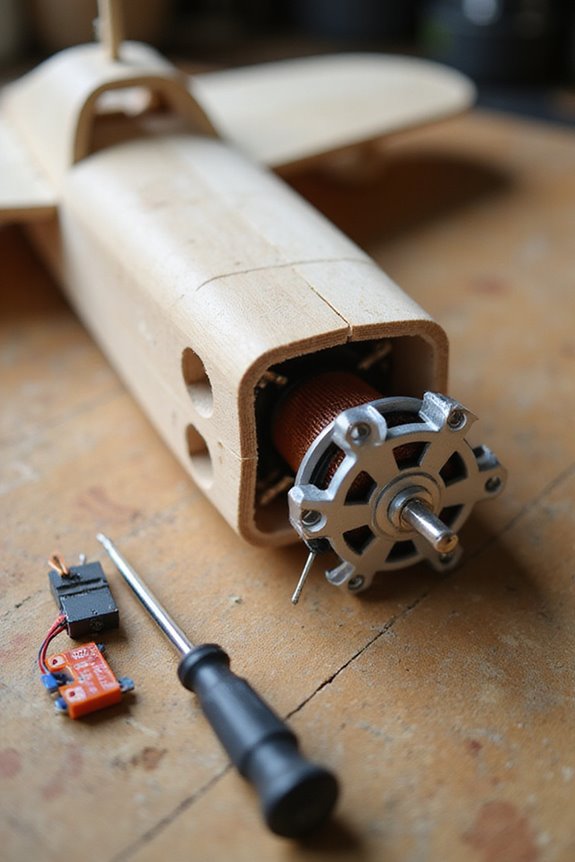
Now that we’ve got the key components sorted out, it’s time to tackle the heart of our RC plane: the motor installation. First, let’s talk motor selection. Brushless motors are our best pals here—they’re efficient and reliable. We need to guarantee our motor fits the airframe and matches the battery’s power requirements, so we don’t accidentally launch it out of a cannon! Additionally, battery compatibility is essential to maximize efficiency and flight time, ensuring a successful flight.
Next, we’ll attach our motor to a sturdy mount, choosing materials like plastic or carbon fiber. Remember the thrust angle? It should be set between 0-5 degrees for that sweet spot in climb and stability. After securing everything, let’s spin the motor by hand, checking for smooth operation. No one likes a bumpy ride!
Recommended Products
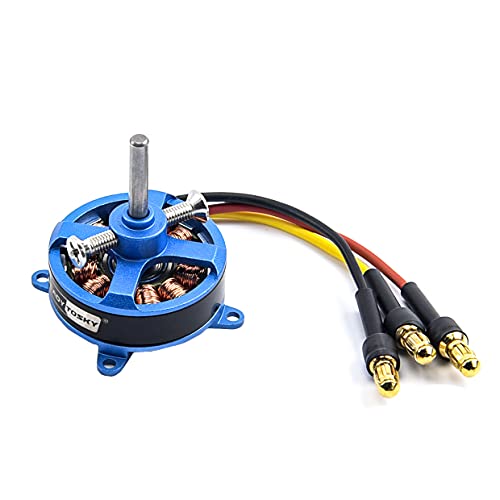
Model number: LE2204 1800KV motor Brushless Motor.

Name: Brushless Motor; Model : A2212-13; KV : 1000RPM/V
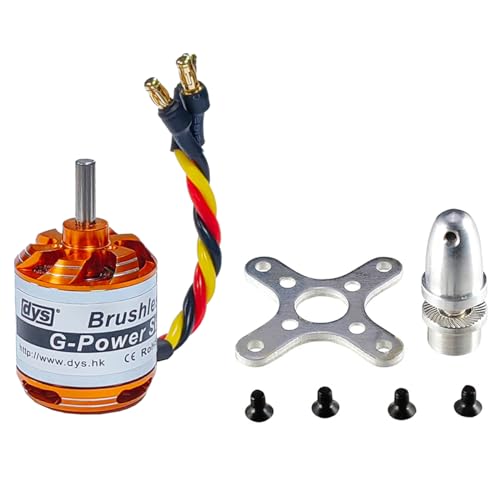
Model number: D2836 1500KV/1120KV/880KV/750KV Brushless Motor.
Servo Installation
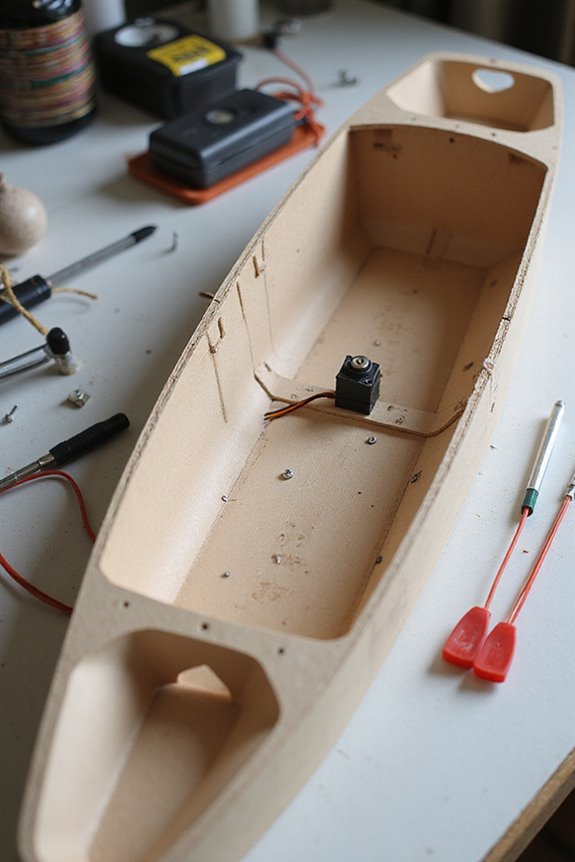
As we plunge into servo installation, let’s get those little mechanical wonders ready to bring our RC plane to life! First, we need to choose the right servo types based on our plane’s size and weight. Too heavy, and they won’t move; too light, and they may falter.
Next, we’ll determine servo placement for ideal performance. This means picking locations that align with our control surfaces. Once we’ve mapped this out, we’ll drill pilot holes for secure mounting and use CA glue to reduce vibrations.
Don’t forget to connect the servos to their designated channels on the receiver. After that, it’s time to power up and test them. Remember, happy servos equal a happy plane! Additionally, ensure your servos are compatible with your power supply, as power supply requirements can significantly affect their performance.
Recommended Products

Beffkkip High quality and high cost performance.

Good performance digital standard Deegoo-FPV servo, which can be a common use for robots, mechanical arms, climbing cars and remote control toys

SG90 9G digital Servo - Miuzei 9g servo motor for remote control helicopters, micro robot, robot arm and boats. Fit for ALL kinds of R/C car and also make electronics DIY compatible with Arduino, Raspberry Pi.
Wiring the ESC
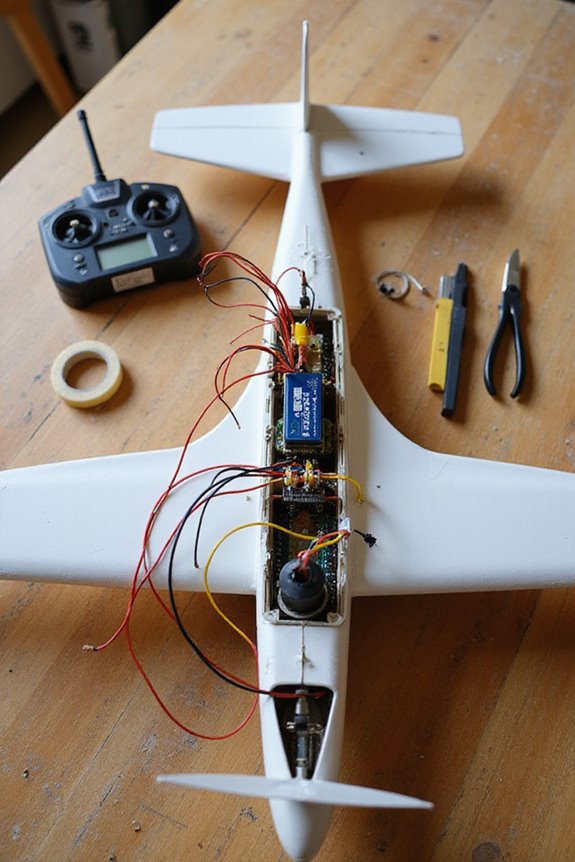
Let’s plunge into wiring the ESC, the heart of our RC plane’s power system! First, we need to identify the wires: positive, negative, and signal are essential. Using proper wiring techniques, we connect the motor with high-quality solder and heat shrink tubing to guarantee solid connections. Remember, the ESC’s signal wire goes to the throttle channel on the receiver.
Now, let’s check voltage compatibility—matching the ESC with our motor and battery is critical! Too much voltage? It’s a one-way ticket to ESC troubleshooting. After wiring, spin that motor to confirm it’s rotating in the right direction. And hey, who doesn’t love seeing an ESC do its thing? Just remember, a well-wired ESC keeps our plane soaring smoothly! Additionally, using a charger with built-in safety features can help prevent damage during the charging process.
Recommended Products

Includes 30 sets servo male, 30 sets female connector, 25 sets red male SYP 25 sets female SYP connector, 3 meters long 22AWG cables, 10 pcs servo connector clips, a tweezers and a Crimping Tool Kit in one box.

A total of 10PCS: 10 cm/3.93 inch Servo Extension Cables.
Easy to Install: The RC plane motor kit is easy to install and use, without complicated operation. It comes with T plug easy and convenient for installation. And it is preferred by the knowledgeable model hobbists & RC enthusiasts.
Binding the Receiver
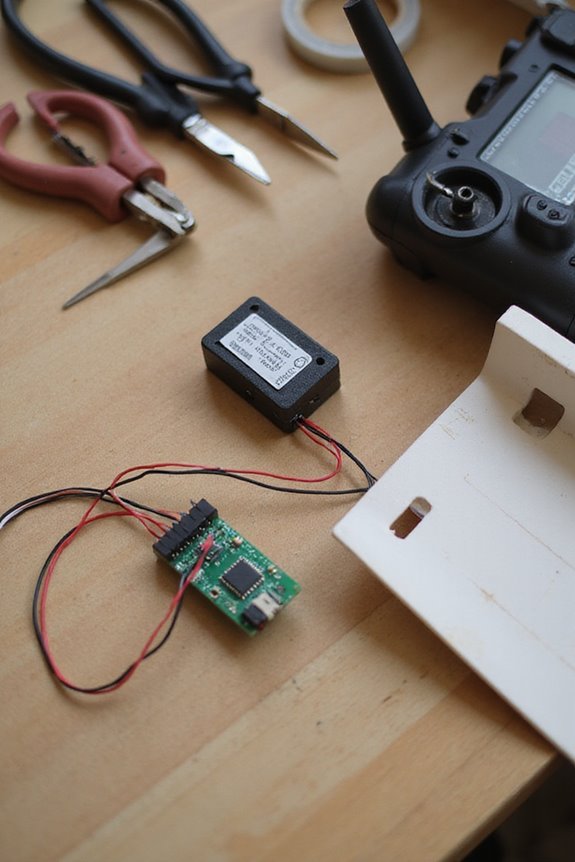
With our ESC wired and ready to power our RC plane, it’s time to tackle another key component: binding the receiver. First, we’ll insert the bind plug into the designated slot on the receiver. Then, we’ll connect the ESC and battery to provide power. Watch for that bind LED to start flashing—this means we’re in binding mode! While holding the bind switch, we power on the transmitter. If all goes well, the flashing LED will turn solid.
Keep our throttle stick at minimum and try to avoid any pesky RF signals. If we hit a bump, double-check connections and firmware. Additionally, ensuring compatibility with engine mounting dimensions is crucial for a successful setup. Remember, a little patience goes a long way in ensuring our plane’s ready for takeoff!
Recommended Products

Package Includes - 4pcs universal bind plugs
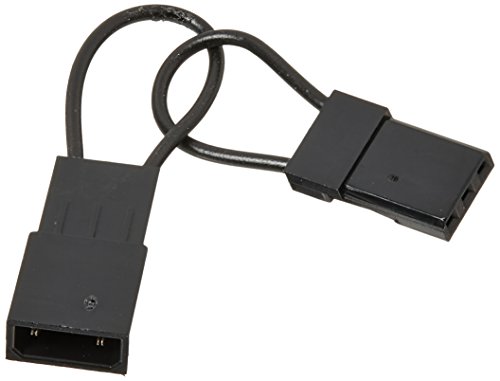
Quickly and easily plugs directly into Spektrum receivers or through the charge jack on the switch
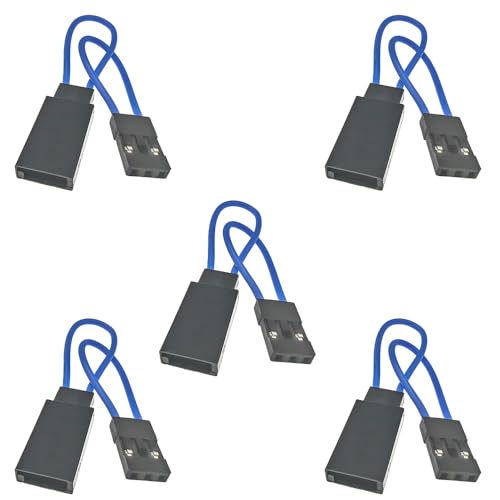
Package Includes - 5pcs universal bind plugs
Frequently Asked Questions
How Do I Choose the Right Transmitter for My RC Plane?
When we choose the right transmitter for our RC plane, we should consider transmitter types and frequency bands. Selecting based on compatibility and our flying style guarantees peak performance and control for our specific needs.
What Tools Do I Need for Assembling RC Electronics?
When assembling RC electronics, we’ll need tools for effective soldering techniques and wire management. A soldering iron, pliers, and heat shrink tubing are essential for creating secure connections while ensuring everything stays organized and safe.
How Can I Troubleshoot a Non-Responsive Servo?
We’ve all experienced a stubborn servo, right? First, let’s do a connection inspection, then move on to servo calibration. Ensuring everything’s tight can often resolve the non-responsiveness. Patience is key while we troubleshoot!
What Safety Gear Should I Use While Assembling?
When assembling, we should definitely wear safety goggles to protect our eyes and an anti-static wristband to prevent damaging sensitive components. These precautions keep us safe and guarantee our project runs smoothly.
How Do I Maintain the ESC for Longevity?
Ever wonder how we can keep our ESCs running smoothly? By following key ESC maintenance practices, like ensuring airflow and monitoring temperature, we can boost their longevity. Let’s embrace these longevity tips for peak performance together!