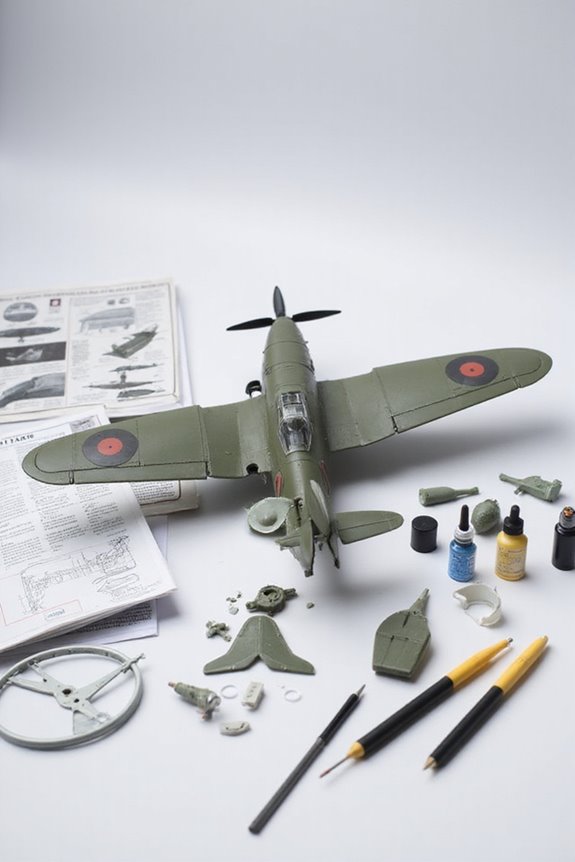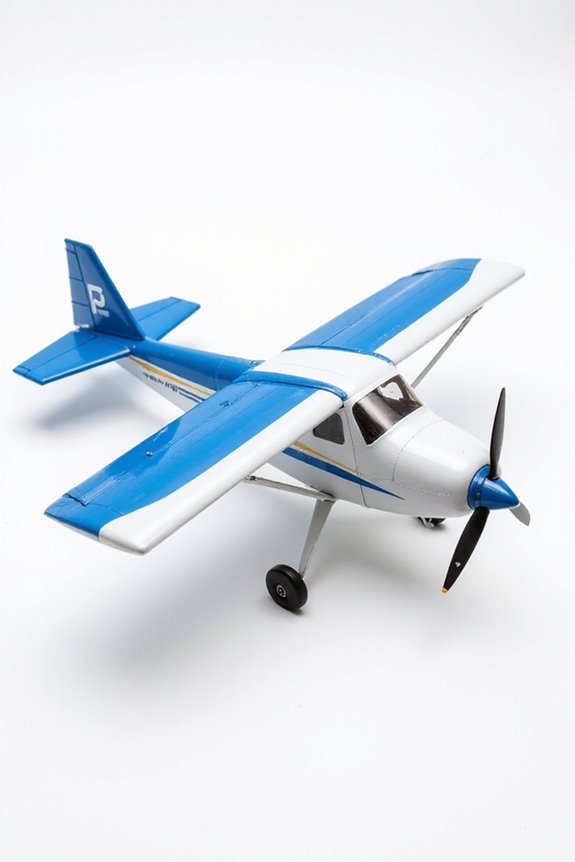
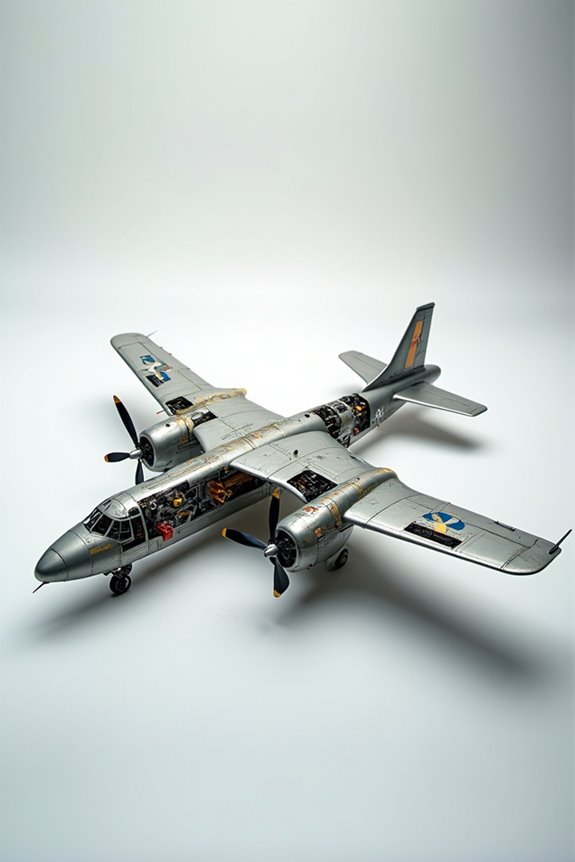

Model aircraft are a fantastic gateway into the world of STEM education! They teach us key concepts like lift, drag, and thrust, making physics easier to grasp. When we build and fly these models, we boost our problem-solving skills and hand-eye coordination. Plus, collaborating with friends adds a fun twist! Not to mention, it opens doors to aviation careers. There’s so much more to discover about these flying wonders, so let’s explore what they can offer together!
Key Takeaways
- Model aircraft projects enhance understanding of aerodynamics and design principles, making theoretical concepts practical and engaging.
- Assembly and piloting improve fine motor skills, hand-eye coordination, and problem-solving abilities.
- Participation in model aviation fosters collaboration, boosting motivation and confidence in STEM subjects among peers.
- Real-world applications in flight principles bridge the gap between formal education and practical experience, enriching math and science learning.
- Engaging in model aircraft activities promotes cognitive flexibility, decision-making skills, and spatial reasoning through hands-on problem-solving and adaptability.
Enhanced Understanding of Aerodynamics and Design Principles
When we plunge into model aircraft, we’re not just playing with toys—we’re exploring the fascinating world of aerodynamics! Understanding aerodynamic principles helps us see how lift, drag, and thrust work together to keep our planes flying. Each flight teaches us about wing shape and angle, letting us visualize real-time effects on flight stability.
As we design, we get to flex our geometric muscles—calculating wing spans and chord lengths. It’s like math is finally useful! Everyone loves a good balance, especially when we’re optimizing designs for performance. By experimenting with these concepts, we quickly learn the importance of tweaking our designs. With every adjustment, we’re not just aerial hobbyists; we’re budding engineers, ready to take on the skies!
Hands-On Learning and Skill Development
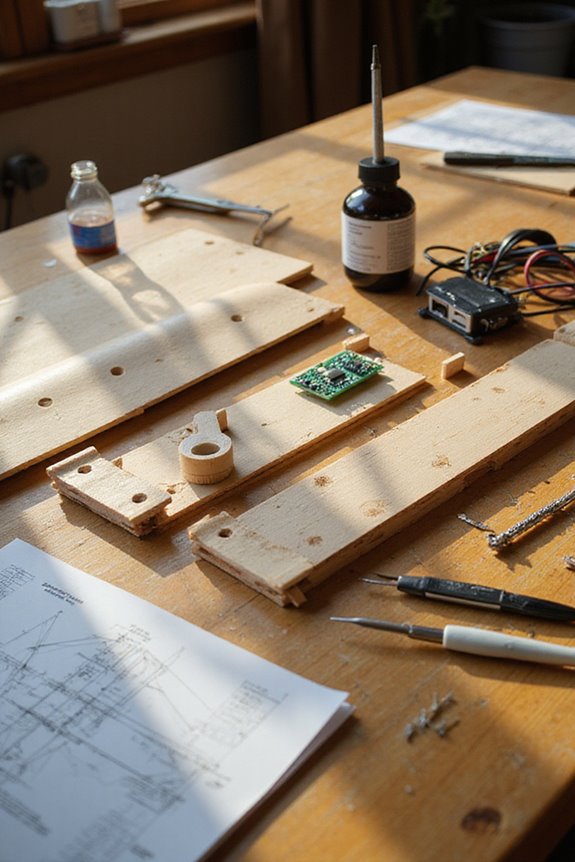
Getting our hands dirty with model aircraft isn’t just about having fun; it’s a masterclass in skill development. This hands-on experience fosters enhanced hand-eye coordination we can all appreciate. As we pilot, our fine motor skills sharpen, making us more dexterous with everyday tasks.
But there’s more! Troubleshooting issues with our planes bolsters our problem-solving skills, pushing us to think critically. Each setback is a chance to be resilient—just like engineers do. Plus, building models teaches us patience and concentration. We learn to focus, one small piece at a time.
Finally, measuring and estimating dimensions gives us practical math skills and reinforces STEM concepts. Additionally, engaging in model airplane projects encourages teamwork and collaboration, providing a fun way to learn together. So, let’s get those engines revving! Our skill enhancement journey is just beginning.
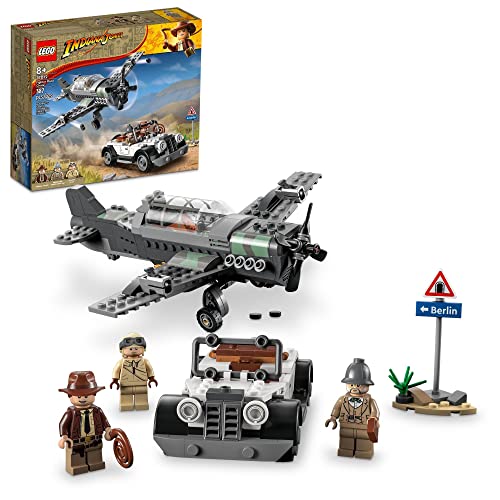
Kids have all they need to relive action from the Indiana Jones and the Last Crusade movie with this LEGO Fighter Plane Chase (77012) playset Indiana Jones plane and car playset –

MODEL AIRPLANE TOY – Build and explore a fun LEGO Technic Bush Plane toy with a spinning propeller, adjustable ailerons and 4-cylinder piston engine

Model airplane and ground support vehicles building toy set for kids – LEGO City Passenger Airplane (60367) set with realistic detailing and functions
Increased Motivation and Engagement in STEM Subjects
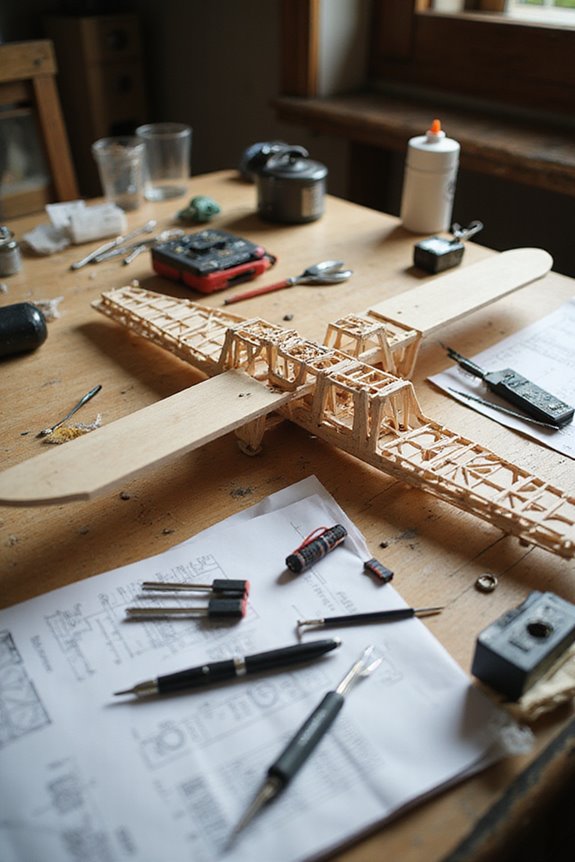
Model aircraft aren’t just mini flying machines; they’re gateways to a world of STEM learning. When we immerse ourselves in building and flying these models, we discover an intrinsic motivation that fuels our curiosity. Suddenly, STEM isn’t just a subject; it’s an adventure!
Through peer collaboration, we tackle challenges together, sharing ideas and problem-solving in a supportive environment. This social motivation draws us into conversations and encourages us to engage more actively in our classes. Plus, working with friends makes even the toughest tasks feel manageable.
As our confidence grows, so does our persistence in tackling tricky STEM problems. So, let’s embrace those tiny aircraft—they might just inspire us to soar in our education!

IRON MAN LEGO SET – Young super hero fans, boys and girls ages 7 and up will love this build-and-play LEGO Marvel Iron Man Car & Black Panther vs. Red Hulk toy for kids

The LEGO Creator 3-in-1 building set The Supersonic aircraft includes 3 models in 1: a toy supersonic plane, a toy helicopter and a toy boat

Fire Plane Education - Learn about real firefighting airplanes with this LEGO Technic Firefighter Aircraft (42152) toy set for children ages 10+.
Integration of Informal and Formal Education
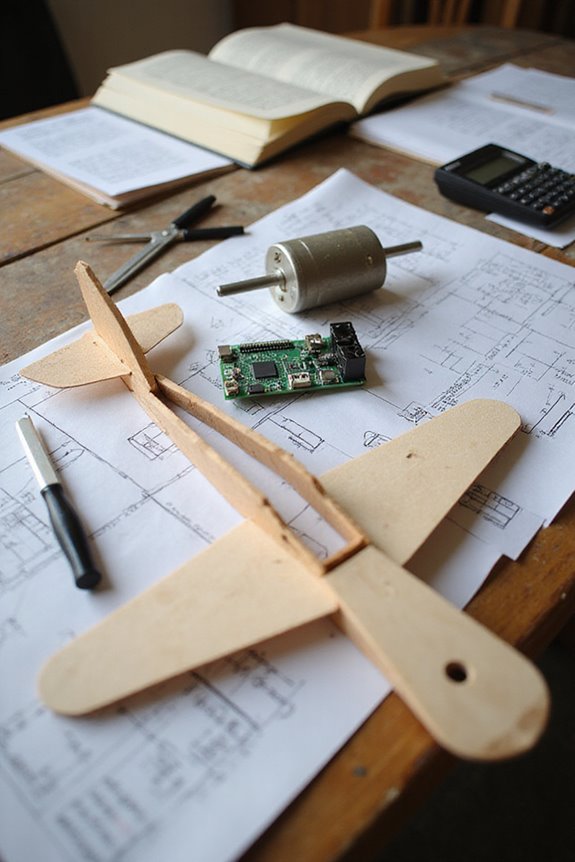
Integrating informal and formal education can feel like landing a plane on a tricky runway—challenging, but so rewarding! When we immerse ourselves in model aircraft projects, we’re bridging the gap between textbooks and real-world physics. These hands-on activities enhance our understanding of math and science while igniting our problem-solving skills. In collaborative environments, model aviation clubs support informal learning by bringing students together with experienced hobbyists. Here, we share tips, troubleshoot designs, and grow our aerospace skills. This peer-to-peer interaction deepens our learning and adds real-world context to classroom lessons. By merging formal instruction with engaging model-building, we’re prepping for a future in STEM that’s not just theoretical, but incredibly exciting and practical! Additionally, these projects often emphasize the importance of engine compatibility to ensure optimal performance and prevent damage—a crucial concept in the world of RC planes. Let’s take off together!
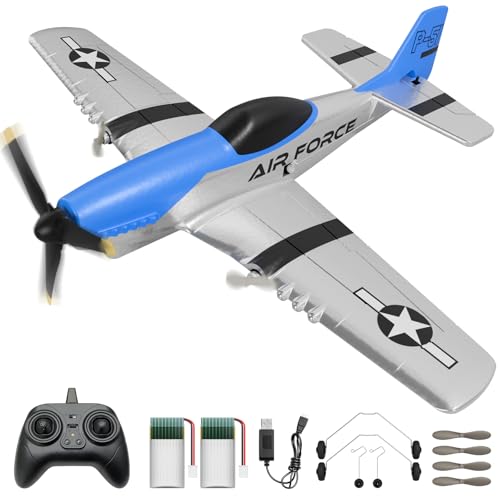
Stunningly Realistic Appearance: Our P51 remote control airplane is accurately reproduced the real scale, with every sculpted detail coming to life. It resembles the real P51 Mustang fighter aircraft executing critical missions.Whether it's in high-speed flight or static display,this rc airplane can bring you unparalleled visual impact and unlimited flying fun.It's not just an RC plane,it's a piece of craftsmanship that adds fun and glory to your flying experience

SG90 9G digital Servo - Miuzei 9g servo motor for remote control helicopters, micro robot, robot arm and boats. Fit for ALL kinds of R/C car and also make electronics DIY compatible with Arduino, Raspberry Pi.

Revell Model Kit #85-5810, Skill Level 4, Contains 66-Parts, Recommended for ages 12 and up
Fostering Aviation Literacy and Career Exploration
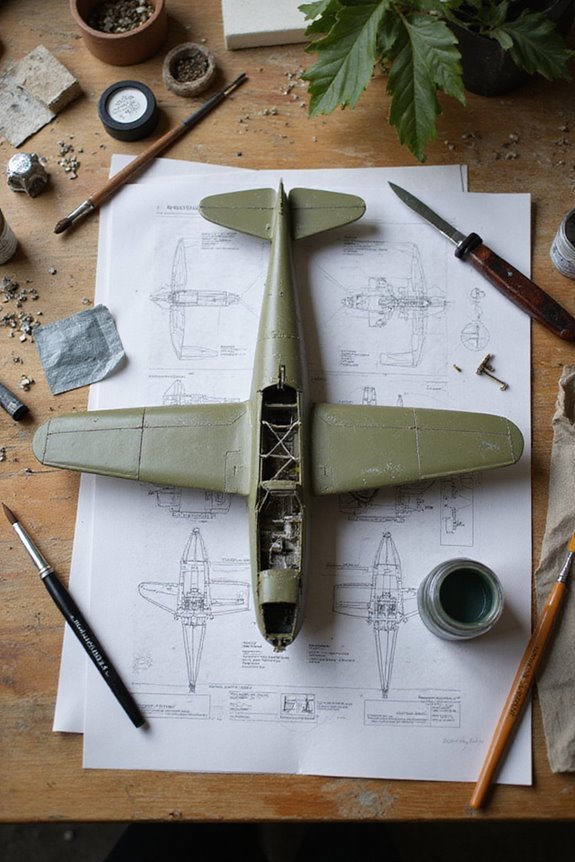
When we jump into the world of model aircraft, we’re not just playing with toys; we’re exploring an exciting path toward aviation literacy and career possibilities. Building and flying these models lets us see aerodynamics in action. It’s like witnessing physics perform magic!
Hands-on experience sharpens our geometry and trigonometry skills—all while we calculate angles and center of gravity. Plus, we get firsthand exposure to STEM career pathways like aerospace engineering and piloting. Engaging with Dumas model airplane kits allows us to appreciate craftsmanship and design accuracy, enhancing our understanding of flight mechanics.
Model aircraft clubs offer a chance for aviation mentorship, where we can learn from seasoned enthusiasts. This community spirit encourages us to tackle real-world challenges and think critically. Who knew flying little planes could prepare us for big dreams in aviation? Let’s soar!
Foundations of Competency-Based Aviation Training
A pilot’s journey in aviation isn’t just about mastering the controls; it’s about building competencies that matter. Through competency mapping, we connect key skills directly to our training syllabi. This creates a more tailored approach, allowing us to learn at our own pace—no one-size-fits-all here!
Cognitive Benefits of Model Aircraft Use
Model aircraft are more than just toys; they’re powerful tools for developing important cognitive skills. When we pilot these tiny planes, we boost our cognitive flexibility. This means we adapt quickly to changing flight conditions, improving our decision-making even under pressure. Who knew flying a model could make us more resilient?
We’re also sharpening our spatial reasoning. Maneuvering a plane requires us to visualize flight paths and surroundings in real-time. It’s like solving a 3D puzzle while juggling multiple tasks—speed, altitude, and direction all at once.
The thrill of flight translates to enhanced working memory and analytical thinking, helping us make precise adjustments. Additionally, engaging with model aircraft can promote problem-solving skills through hands-on assembly and customization. So, the next time we take to the skies, we’re not just having fun; we’re flexing our brains, too!
Interdisciplinary Learning Through Model Aircraft Projects
Exploring the skies with model aircraft isn’t just a way to boost our cognitive skills; it also opens the doors to interdisciplinary learning. These projects encourage interdisciplinary collaboration, mixing science, technology, engineering, arts, and math into one fun package.
We plunge into project-based learning, where hands-on activities spark our creativity and problem-solving skills. As we design and build our aircraft, we face real-world challenges, honing our critical thinking along the way.
Plus, there’s always a little friendly competition—who doesn’t want to see whose plane flies the highest? We gain confidence as we conquer obstacles together, proving that collaboration really does lead to soaring success. So buckle up; it’s time to take flight toward a brighter educational future!
Frequently Asked Questions
How Can Model Aircraft Be Used in Non-Engineering Classes?
We can use model aircraft in history lessons to explore aviation’s impact and in art projects to ignite creativity. This integration enriches our understanding of technology’s evolution and inspires artistic expression through design and aesthetics.
What Age Groups Benefit Most From Model Aircraft Education?
When it comes to education, we can’t put all our eggs in one basket. Elementary education thrives on hands-on activities, while high school engagement deepens understanding of complex concepts, bridging curiosity and skills across age groups.
Are There Specific Safety Guidelines for Building and Flying Models?
When building and flying models, we should always follow safety regulations, ensuring our materials are suited for the task. This way, we can enjoy our hobby while minimizing risks for ourselves and others.
Can Model Aircraft Programs Integrate With Existing School Curricula?
We can enhance curriculum integration and improve educational outcomes by including model aircraft programs in our classrooms. By embracing hands-on learning, we’re not just teaching theory; we’re inspiring creativity, collaboration, and critical thinking among students.
What Tools Are Necessary for Building Model Aircraft?
When building model aircraft, we can’t overlook essential tools like hobby knives, rulers, and clamps. Having the right building materials and tools guarantees our projects turn out precise, well-crafted, and enjoyable to assemble together.