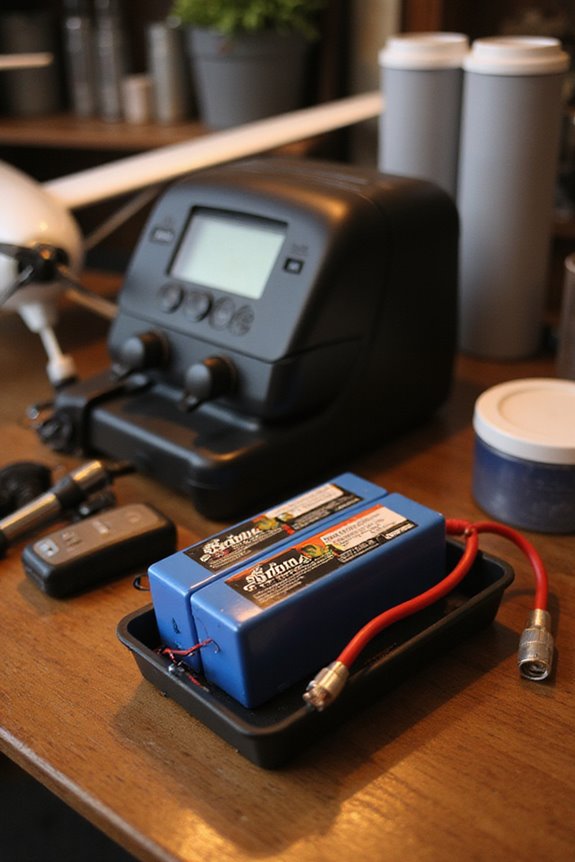

To properly charge and care for our RC airplane batteries, let’s start with matching our charger to the battery size, like a tailor fitting a suit. We should charge in well-ventilated areas, avoiding any funny business like gas buildup. Keeping our batteries cool and at around 3.8 volts per cell for storage will boost their lifespan. If we watch for unusual signs during charging, we’re golden! Stick around and we’ll explore more tips to keep our flying gear in top shape.
Key Takeaways
- Match the charger and battery size, and ensure correct power leads and balance plugs are used for effective charging.
- Charge in a well-ventilated outdoor area to prevent gas accumulation and have a fire extinguisher nearby for safety.
- Monitor charging closely and stop immediately if you notice any damage, swelling, or unusual behavior in the batteries.
- Allow batteries to cool on a non-conductive surface, protecting them from direct sunlight after charging.
- Store batteries at a storage charge level of around 3.8 volts per cell, checking their condition regularly.
Proper Charging Techniques
When it comes to charging our RC airplane batteries, there’s a fine line between getting it right and turning our prized packs into crispy critters. First, we need to make certain our charger and battery size match—sort of like matching socks, but way more critical!
You may be interested
How Do I Add Navigation Lights To My Model Aircraft?
How Do I Bind My Transmitter To My Receiver?
How Do I Calibrate My RC Transmitter?
Always use the correct power leads, and don’t forget that balance plug; it’s the buddy system for cell voltage. Before we even start charging, let’s inspect our batteries. Checking connectors and cable conditions guarantees our flying days aren’t cut short.
Once everything’s connected and powered up, select the right charging mode, and set parameters correctly. Following these charging techniques is key for effective battery maintenance, and it lets us soar confidently skyward!
Recommended Products

[DUAL BATTERY CHARGER]: This Dual Battery Charger can charge two different batteries by two channels at the same time(please don't charge two different batteries on the same channel simultaneously). AC input max power 150W(CH1+CH2=150W), 100-240V; DC input max power 240W(CH1+CH2=240W), 11-18V; charge current: 0.1-10A*2; discharge power: 10W; discharge current: 0.1-2A*2.

High-quality and safety: The B6 charger is made of high-quality chips and materials to provide you with high-quality products and function performance, This charger also has short-circuit protection, overcharged protection, overcurrent protection and overheat protection. It can prevent the overcharging which may lead to an explosion due to the uer's fault.
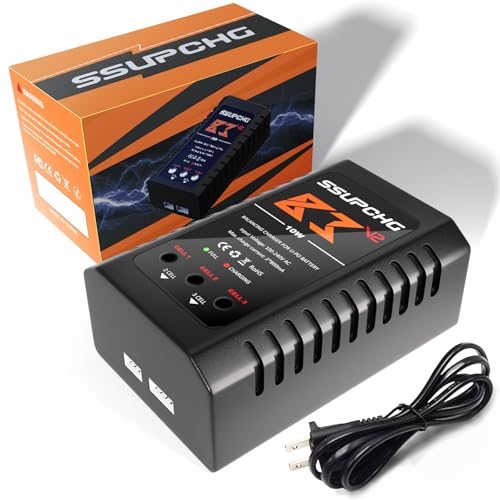
[Balance Charger with Smart Chip] Features a Smart Chip that ensures safe and optimal charging for every cell, extending battery lifespan and runtime while enhancing charging safety.
Safety Precautions During Charging
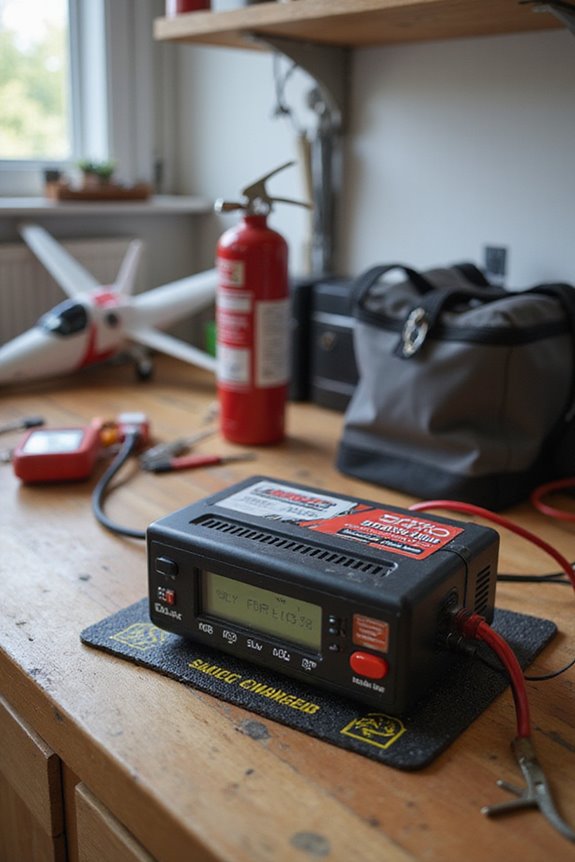
While we want our RC airplanes to zoom through the sky, we also need to be smart about charging their batteries. First off, let’s charge outdoors or in well-ventilated areas. This helps prevent flammable gases from building up. And hey, let’s keep our fire extinguisher ready—better safe than sorry!
Before plugging anything in, let’s not skip those battery inspection procedures. We should check for damage, swelling, or any funky behavior. Unattended charging? No way! Let’s keep a close eye during the entire process. If we see anything unusual, we’ll stop immediately. Remember, our batteries deserve the best care—after all, they help our planes take flight!
Recommended Products

【Bag Material】- Liquid silicone fireproof cloth + non-woven cloth + glass fiber cloth, fireproof inside and outside the explosion-proof bag, the highest temperature resistance is 1000 degrees.

Tenergy 2 pack 7.3x3x2.4 inches lipo bags for charging and storing LiPO batteries and battery packs.

Tailored exclusively for the secure storage and transportation of lipo batteries, our Lipo Battery Safe Bag is a game - changer, offering unparalleled peace of mind to both hobby enthusiasts and industry professionals.
Battery Types and Compatibility
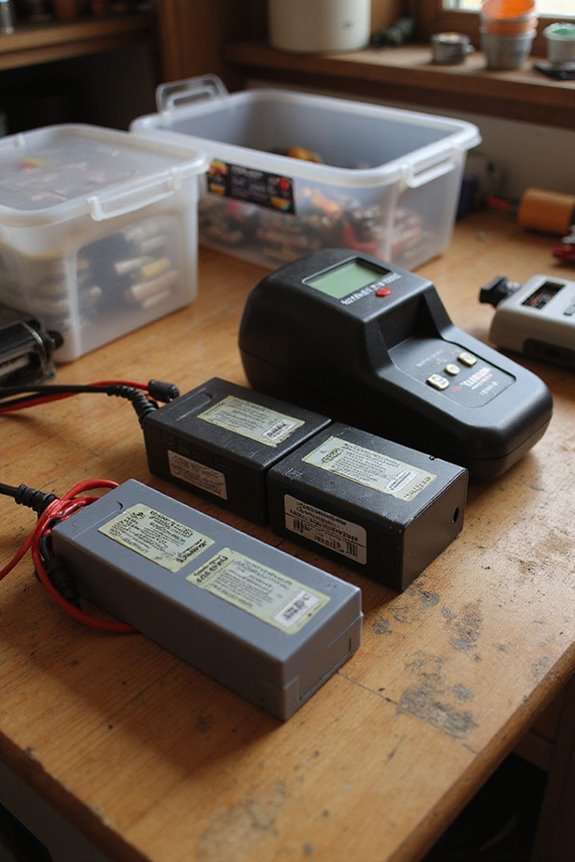
Charging our RC airplane batteries is only part of the equation; knowing what type of battery we’re using is just as significant. Most of us opt for LiPo batteries because of their high discharge rates and energy density. These little powerhouses strike a balance between weight and performance, perfect for various RC applications.
Typically, we see common battery configurations like 3S (11.1V) or 4S (14.8V). It’s crucial to choose batteries that meet our current draw needs—otherwise, we might find ourselves limping home from the sky! Remember, pairing the right battery with our brushless motors guarantees maximum power and efficiency. Additionally, higher discharge rates are essential for climbs and maneuvers, ensuring our flights are as exhilarating as possible. So, let’s keep those battery configurations and compatibility in mind for epic flights!
Recommended Products

⚡【Efficient Charging】The balance charger is specially designed for LiPo/ LiHV (2s 3s 4s) batteries and ensures that each cell is charged safely and fully

18W 2A Fast Charging: This balance charger is specially designed for 2S/3S/4S LiPo/LiHV batteries, supporting 18W 2A high-power fast charging. It automatically switches to balance mode during charging, ensuring each cell is charged safely, evenly and fully. Note: Only one battery can be charged at a time!

【2200 3S Lipo High Performance】- High capacity, Long Cycle Life (150 times at least), up to 235Wh/kg energy density. More run time, more fun time.
Charging Environment
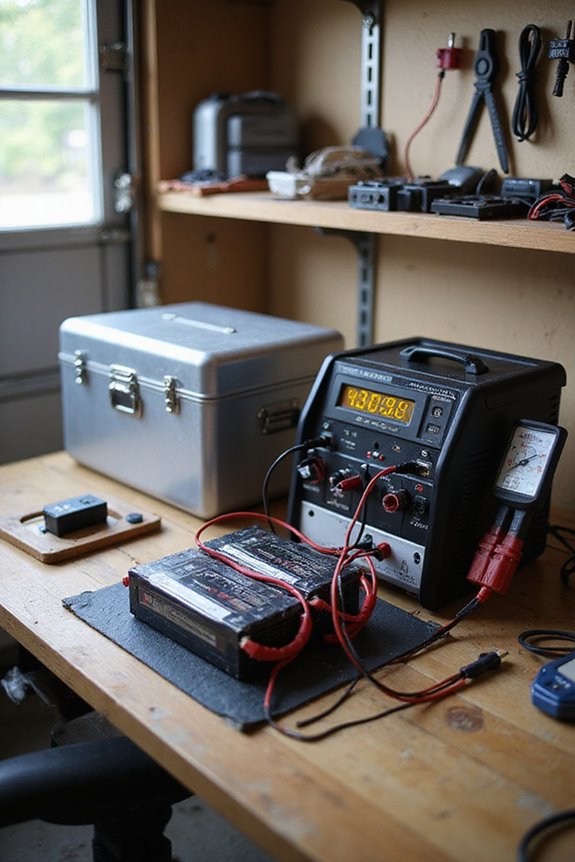
Setting the right environment for charging our RC airplane batteries is essential for safety and performance. We should aim for an ambient temperature between 20°C to 25°C (68°F to 77°F) for ideal charging. If it’s chilly, preconditioning our batteries is key to avoid damage. Using an insulated charging bag or battery warmer can help maintain that cozy temperature.
Recommended Products

🔥【Zeee LiPo Battery Bag Material】- 100% inner fireproof fabric, interlayer non-woven fabric with flame retardant effect, and PVC fiber outer layer, which effectively isolate air and improve the safety when charging. Heat insulation temperature up to 1000℉. Please note the bag can't prevent the fire if the temperature over 1000℉. In this situation, it is not 100% fireproof.

Tenergy large lipo zipper bag for charging and storing LiPO batteries, battery packs.

HEAT-RESISTANT PROTECTION- Engineered with heat-resistant materials to reduce risks and enhance battery safety during storage and charging.
Post-Charging Care
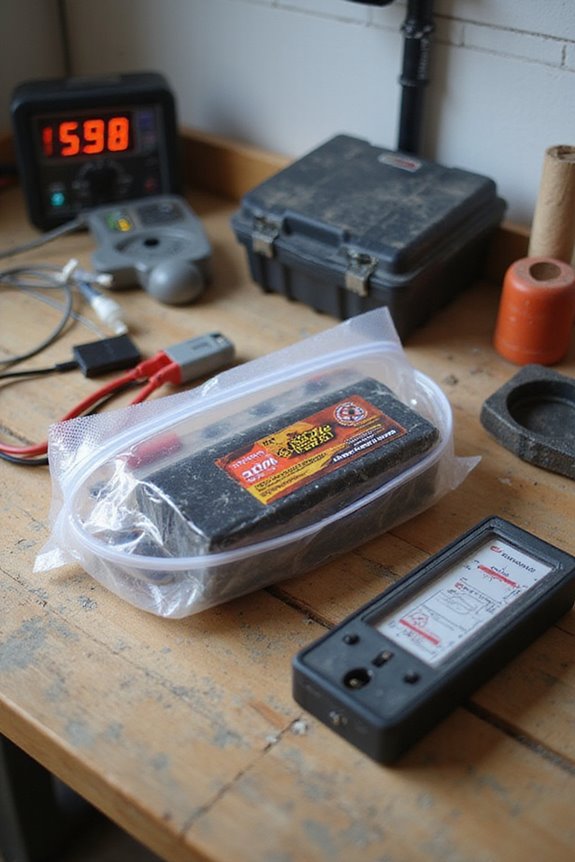
After we finish charging our RC airplane batteries, it’s crucial to handle them correctly. First, let’s give our batteries some time for battery cooling. Placing them on a non-conductive, heat-resistant surface helps, and definitely no direct sunlight! Once they’re cool, we can check for any damage and give those connections a gentle wipe.
Now, let’s talk storage practices. We should aim to keep our batteries at a storage charge level of around 3.8 volts per cell. This prevents capacity loss over time, and trust us, our future selves will thank us! Plus, it’s better for longevity. Remember, checking in on our batteries every few months helps maintain they stay in top shape—just like our favorite flying toys.
Troubleshooting Common Issues
When we plunge into troubleshooting common RC airplane battery issues, it’s essential to remain calm and methodical. First, let’s keep an eye out for voltage errors. If we see a warning about voltage thresholds, our charger might not charge cells below 3V. So, grab that trusty voltmeter and check the cell voltages before charging.
Next, balance issues can ruin our flying dreams. Confirm the balance lead’s connected; otherwise, we may face mismatched cell voltages. If that happens, using the balance charge mode on our charger can smooth things out. Additionally, ensure that you are using a charger with built-in safety features, as these can help prevent potential hazards during the charging process.
Regular inspections can prevent these headaches. Remember, a little maintenance goes a long way in keeping us soaring high!
Recommended Products

MULTI CELL SUPPORT: Works with LiPo, Li-ion, LiFe (2–7S) and NiMH/NiCd (4–7 Cells) packs.
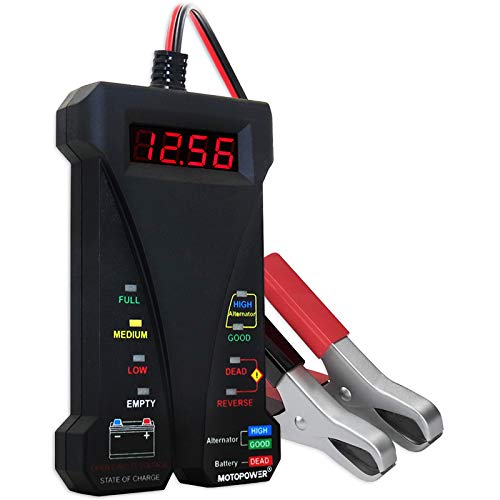
Effortless Operation - Boasting a “plug-and-test” design, there's no need for complex set-up procedures. Just connect it to the battery following simple steps. Without starting the vehicle, you can read the battery status, and after starting, quickly obtain the alternator status. Whether you're a professional mechanic or an ordinary car owner, you can easily use it to quickly determine if the battery needs jump - starting, replacement, or if the alternator output is normal.

Top Brand Tester: This 8 in 1 cellmeter offers precise voltage testing for LiPo, Li-ion, NiMH, and Nicd batteries
Frequently Asked Questions
How Long Should I Charge My RC Airplane Batteries?
When thinking about charging times, we should always consider our battery maintenance. It’s essential to check the specific battery type and charger specifications to guarantee we’re giving our batteries the right amount of charging they need.
Can I Charge Batteries Indoors?
Did you know most lithium polymer battery fires happen during charging? We shouldn’t charge indoors due to indoor safety concerns—good battery ventilation is essential. Let’s always prioritize safe practices when charging our batteries, wherever we are!
What Should I Do if My Battery Swells?
If we notice our battery swelling, we should stop using it immediately and prioritize safe battery disposal. Swelling causes include overcharging and high temperatures, so let’s be mindful to prevent such hazards in the future.
How Do I Know When My Battery Is Fully Charged?
To know when our battery’s fully charged, we should rely on battery indicators. They signal charge completion effectively. Monitoring them closely helps us avoid overcharging and guarantees safe usage for our RC planes.
Is It Safe to Leave Batteries Unattended While Charging?
While we might feel tempted to leave our batteries charging unattended, it’s crucial for battery safety that we don’t. Charging precautions can prevent accidents, ensuring a safe flying experience and protecting our investment in RC planes.