
To keep our RC airplanes soaring for years, we need a solid maintenance routine. Let’s start with routine checks—tightening screws, inspecting for damage, and using light oil on bearings. Don’t forget about our batteries! We should charge them carefully and store them at 50-60% for the best life. And hey, keeping them clean and dust-free helps, too! When we store our planes properly, we’ll avoid pesky damage. Stick around, and we’ll cover more tips for flight success!
Key Takeaways
- Regularly clean your RC airplane after flights using compressed air and a soft brush to prevent dirt buildup.
- Conduct routine inspections of wings, landing gear, and propellers for any signs of wear or damage.
- Properly manage and care for LiPo batteries by monitoring their charge, voltage, and storage conditions.
- Store your airplane in a cool, dry place, away from direct sunlight to prevent material degradation.
- Utilize quality hardware and perform consistent maintenance to ensure all components function effectively and safely.
Routine Mechanical Maintenance
When we fly our RC airplanes, we want them to soar smoothly, right? To make that happen, routine mechanical maintenance is key. After each flight, we should remove dirt and debris. A soft brush or compressed air does wonders, trust us!
You may be interested
How Do I Maintain My RC Plane's Covering?
How Do I Prevent Corrosion In My RC Plane?
Regular mechanical inspections are a must. We need to check wings, landing gear, and propellers for any wear or damage. Also, let’s tighten screws and bolts to prevent them from loosening mid-flight—yikes!
And don’t forget effective lubrication techniques. Applying a light oil to metal bearings stops rust and keeps things moving smoothly. But, be careful! Too much lube can attract dirt. Remember, quality hardware enhances the overall flight experience, so let’s keep our aircraft flying high by sticking to these simple maintenance steps!
Recommended Products
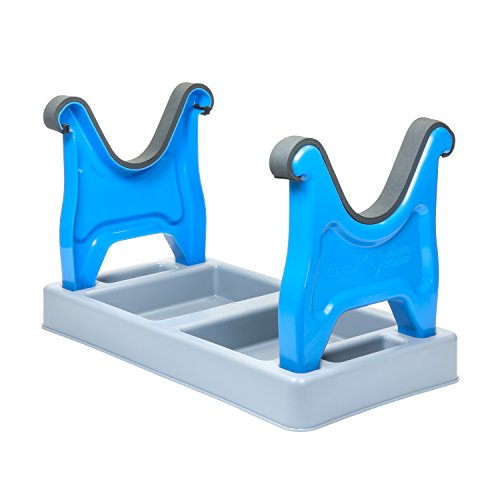
Secure RC Aircraft Support: Safely cradle your model airplane during assembly and maintenance with this sturdy stand.

【Upgrade Version RC Tool Kit】High quality non-slip aluminum alloy handle, driver head is precision machined from high speed steel and titanium, hardness over 60, resistant to peeling and breaking, no rust and durable. this hex screwdriver tool kit is the best choice for RC enthusiast & model hobbists

Secure RC Aircraft Support: Safely cradle your RC model airplane during assembly and maintenance with this sturdy stand.
Battery Care and Management
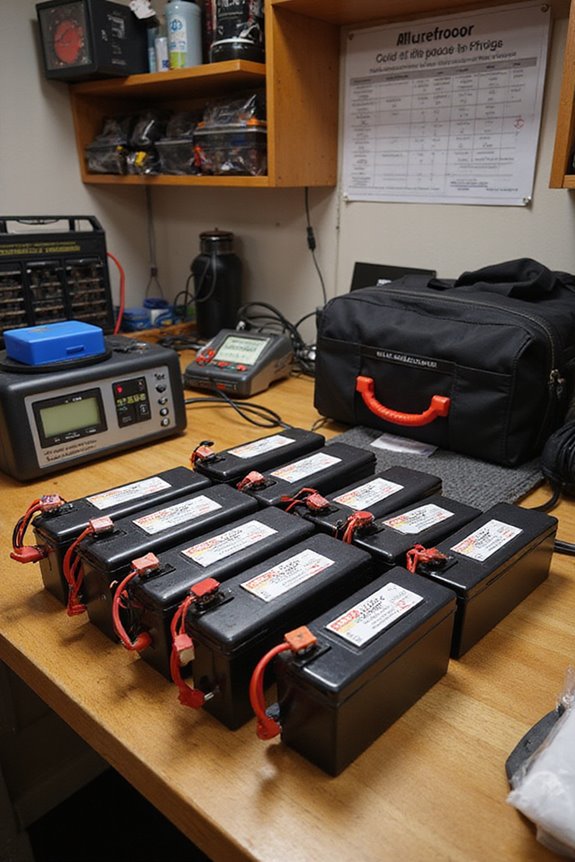
After ensuring our airplanes are ready for flight, battery care comes next on our checklist. We all know that proper battery charging is essential. Always use a compatible charger, especially for LiPo batteries. Make sure to monitor voltage and temperature while charging. We shouldn’t push our batteries above 4.2 volts per cell; overcharging is a definite no-no.
When it comes to discharging, let’s keep our LiPo batteries above 3.0 volts per cell. It’s like not letting your car run on empty—bad things happen! Storing batteries at about 50-60% charge in a cool, dry spot helps extend their life. Remember, a little care goes a long way in keeping our flying buddies in the air!
Recommended Products

【15W+15W Dual Channel】: Charge two LiPo batteries simultaneously with 15W+15W dual channels, each supporting a charging current of 1.2A. Designed for LiPo batteries with cell types ranging from 1S to 3S, this allows for independent and efficient charging.
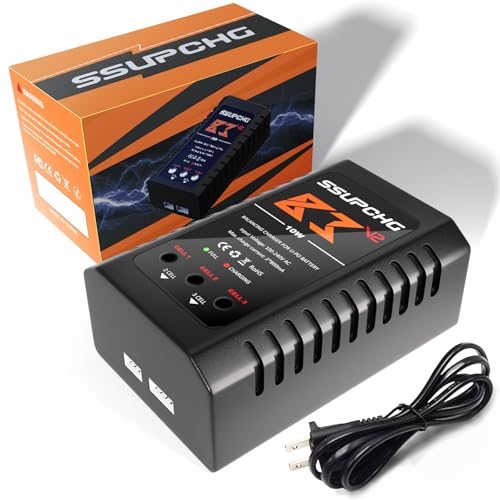
[Balance Charger with Smart Chip] Features a Smart Chip that ensures safe and optimal charging for every cell, extending battery lifespan and runtime while enhancing charging safety.

Dual RC Charger: Our Dual RC Battery Charger can simultaneously charge two different batteries by two channels(please don't charge two different batteries on the same channel simultaneously). AC input max power 150W(CH1+CH2=150W), 100-240V; DC input max power 240W(CH1+CH2=240W), 11-18V; charge current: 0.1-10A*2; discharge power: 10W; discharge current: 0.1-2A*2.
Cleaning and Dust/Debris Control
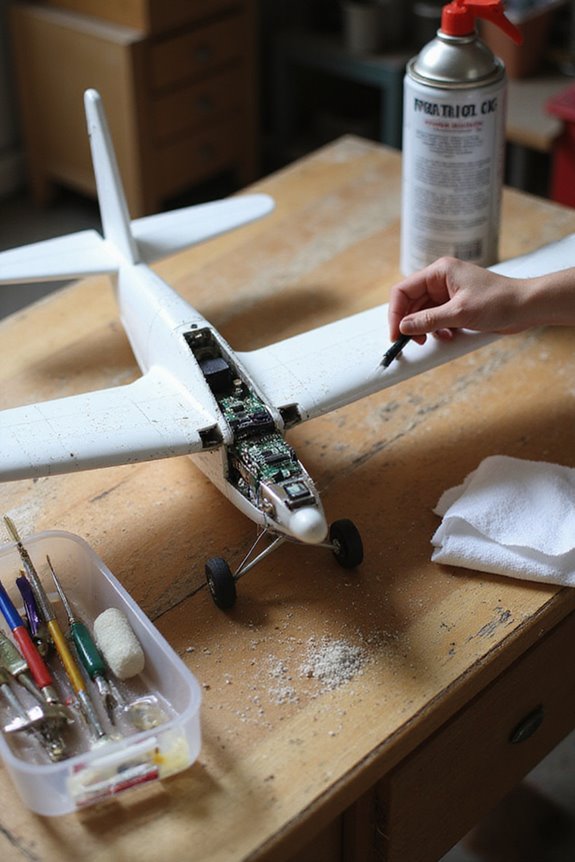
Cleaning our RC airplanes regularly is vital to keeping them in excellent condition. After every flight, we should use compressed air to blow off dust, grass, and dirt—no need to give our bird a shower! For delicate areas, a soft brush works wonders, especially around control surfaces.
We also want to clear debris from landing gear and propellers. A quick dust-off keeps flights balanced and smooth. Don’t forget to inspect motor vents; a little cleaning goes a long way in preventing overheating.
Debris prevention is key! Storing our planes in clean areas or using dust covers can make a big difference. Using a high-quality tool kit ensures that we have the right equipment for regular maintenance and repairs. Let’s embrace good cleaning techniques to guarantee our RC airplanes soar for years to come. Happy flying!
Recommended Products

COMPLETE RC CLEANING KIT: Includes Moo-Kleen 8oz Pre-Mix Spray, Cow Cleaning Snot Gel (150g), and a premium microfiber cloth for a full clean.

12 Pcs Screwdrivers Set: This screw driver set contains total 12 pcs different repair as: Include: Hex screwdriver(1.5mm 2.0mm 2.5mm), hex box(nut) driver (4.0mm 5.5mm), 0#+ phillips screwdriver, 1#- slot screwdriver, needle-nose pliers, diagonal pliers ball link pliers,Hexagon Sleeve Wrench (4mm/5mm/5.5mm/7mm), spanner, orchid wrench very useful;
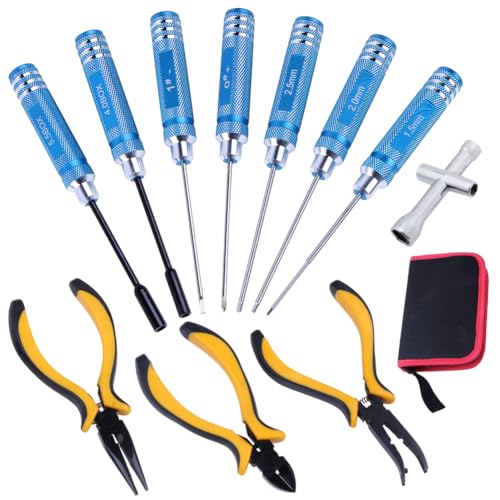
✔A Must Have for R/C Enthusiasts,Include:Hex Screwdriver(1.5mm 2.0mm 2.5mm) Box Spanner(4.0mm 5.5mm)/0#+ Phillips Screwdriver/1#- Slot Screwdriver/ Needle-nose Pliers/Diagonal Pliers/Ball Link Pliers/Hexagon Sleeve Wrench (4mm/5mm/5.5mm/7mm)
Proper Storage Practices
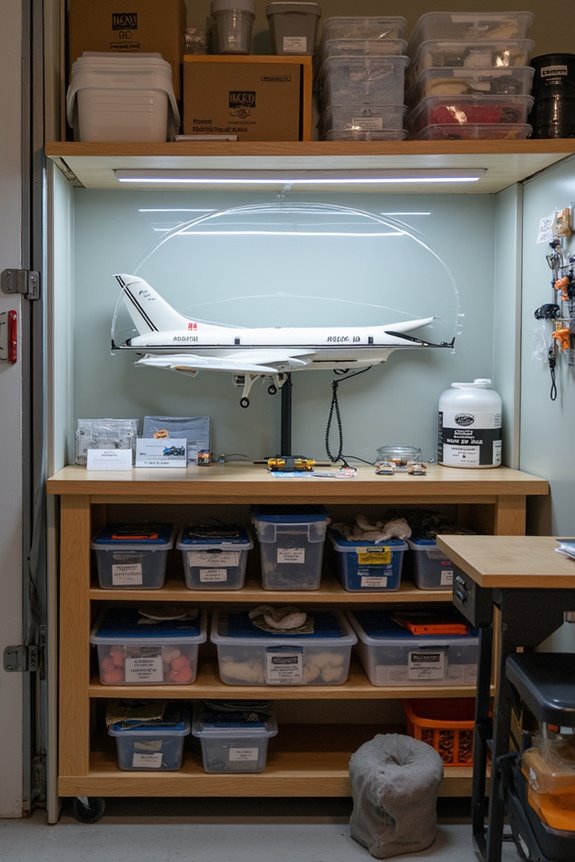
Storing our RC airplanes the right way can make all the difference in their longevity. We want to keep them in an environment controlled for temperature, ideally between 60-75°F, and maintain humidity around 40-60%. This helps prevent warping and corrosion, which we definitely don’t want!
Let’s also keep them out of direct sunlight to avoid UV damage. Using breathable dust covers is a smart move—they keep dust at bay while letting moisture escape.
Proper storage organization is key. Storing our airplanes off the ground and using padded shelves or racks can minimize the risk of damage. High-strength metal storage solutions, like the Mopam RC Airplanes Storage Rack, provide excellent weight capacity and durability. Labeling storage areas helps us quickly find what we need, making our pre-flight routine smoother and less chaotic!
Recommended Products

MATERIAL: Our RC airplane storage rack is made of high-strength metal to ensure both durability and reliable weight support. Its minimalist exterior design effortlessly complements a wide variety of interior styles

Metal Material: this nice rc car wall mount bracket structure is aluminum sturdy and durable Easy to install and adjustable to ideal viewing angle, providing optimal comfort and visibility This is an solution to save space and showcase remote-controlled aircraft

Multi-layer design: this model airplane stand can greatly improve the utilization of storage space, allowing more remote control aircraft to be stored neatly and orderly
Reliability-Centered Maintenance Principles
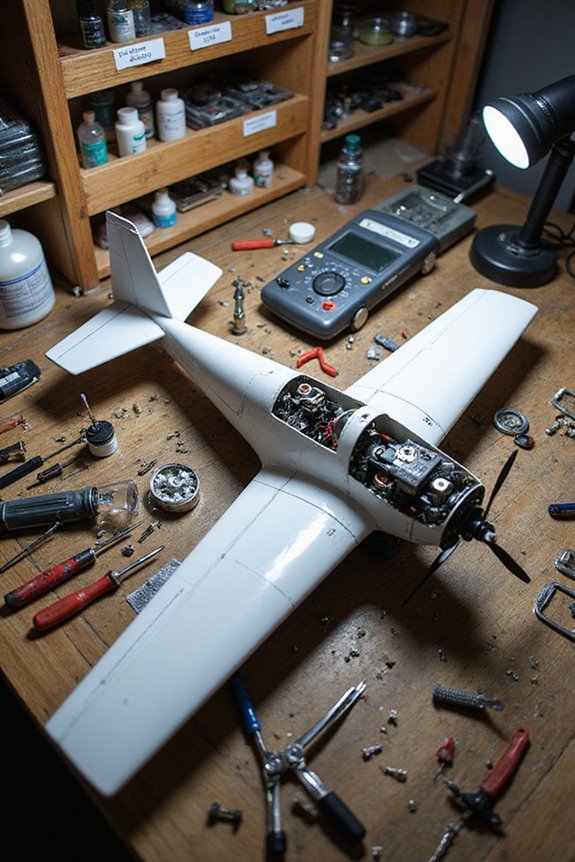
When we talk about keeping our RC airplanes in top shape, reliability-centered maintenance (RCM) is our best friend. This principle focuses on preserving our plane’s function while ensuring it meets safety standards. By identifying failure modes—like wear and misuse—we can prioritize our maintenance strategies effectively.
First, let’s tackle the failure modes. We analyze all potential causes of breakdowns, including external factors. It’s like being a detective but with propellers! Then, we choose the best maintenance strategy, whether that’s preventive or predictive, to address these concerns.
Monitoring our planes continuously helps us optimize reliability and avoid costly downtime. Remember, a little maintenance goes a long way, keeping our flying adventures smooth and soaring! Additionally, understanding motor specifications can assist in ensuring that the components are well-suited for the aircraft’s requirements.
Flying Practice and Accident Prevention
Flying our RC airplanes is not just about having fun; it’s also vital to keeping our skills sharp and our planes safe. Regular flying practice helps us master those tricky flying maneuvers and boosts our emergency preparedness. The more we fly, the better we handle unexpected situations, like an engine failure or a sudden stall.
Consistency is essential, especially during takeoff and landing, where accidents often occur. Using simulators can help us practice without risking a crash. Also, let’s remember to inspect our planes before every flight. A good pre-flight check can be a game-changer! In short, a little practice and caution go a long way in preventing mishaps—and keeping our favorite toys in the sky. Electric RC planes offer convenience and simpler operation, making them ideal for beginners. Happy flying!
Monitoring and Diagnosing Performance Issues
Monitoring performance issues in our RC airplanes is essential for keeping them in top shape. It’s like checking the pulse of our trusty bird. We need to track changes in thrust and fuel consumption, especially as these can indicate engine or airframe troubles. Keeping an eye on fuel efficiency can reveal performance monitoring insights we wouldn’t want to ignore!
For accurate issue diagnosis, we should collect data over multiple flights rather than relying on a single outing. This is key for spotting trends that show performance decline. Using automated systems helps too, like a mechanic checking our airplane’s “health” in real-time. Additionally, incorporating advanced telemetry features can enhance our monitoring capabilities and provide deeper insights into our aircraft’s performance. Let’s stay vigilant and keep our airplanes flying high and true, just like they’re meant to!
Recommended Products

Country Of Origin: China

Excellent Anti-interference: DSSS&FHSS communication technology and 7dBi high gain antenna make AT10II transmitter with stable transmission signal and the control range is up to 2.5 miles(4km) in the air.

【Flight Data Telemetry】Telemetering model's voltage, speed, climb, throttle, longitude, latitude, altitude, GPS, RSSI, flight mode, yaw, roll, pitch, and distance when connecting with Mini Pix/ PIXHAWK/ Crossflight/ APM flight controller. Get real-time information to know the model's flight data clearly.
Frequently Asked Questions
What Materials Are Best for Repairing or Replacing Damaged Parts?
When we’re thinking about repairing techniques, foam-safe CA glue and packing tape are essential. For replacement materials, EPO foam and carbon fiber help us restore durability and performance effectively in our RC airplanes.
How Often Should I Calibrate My RC Airplane’s Control Systems?
Like tuning a fine instrument, our calibration frequency must align precisely with our control system adjustments. We should calibrate after repairs, unexpected behavior, and every 10 to 20 hours to guarantee our flights remain smooth and reliable.
Can I Use Third-Party Parts From Other Brands for My RC Airplane?
Yes, we can use third-party parts for our RC airplane, but it’s essential we check their compatibility and brand reliability. Ensuring quality components helps maintain performance and minimizes potential issues during our flights.
What Are Signs My RC Airplane Needs a Major Overhaul?
Did you know 30% of RC pilots overlook overheating issues? If we notice a decline in wing integrity or consistent engine misfires, it’s likely time for a major overhaul to guarantee our aircraft remains airworthy.
How Can I Improve Battery Performance During Winter Flying?
To improve battery performance during winter flying, we should guarantee proper battery care, like warming batteries before use, minimizing exposure to cold, and adjusting voltage settings in our transmitters for better flight times.